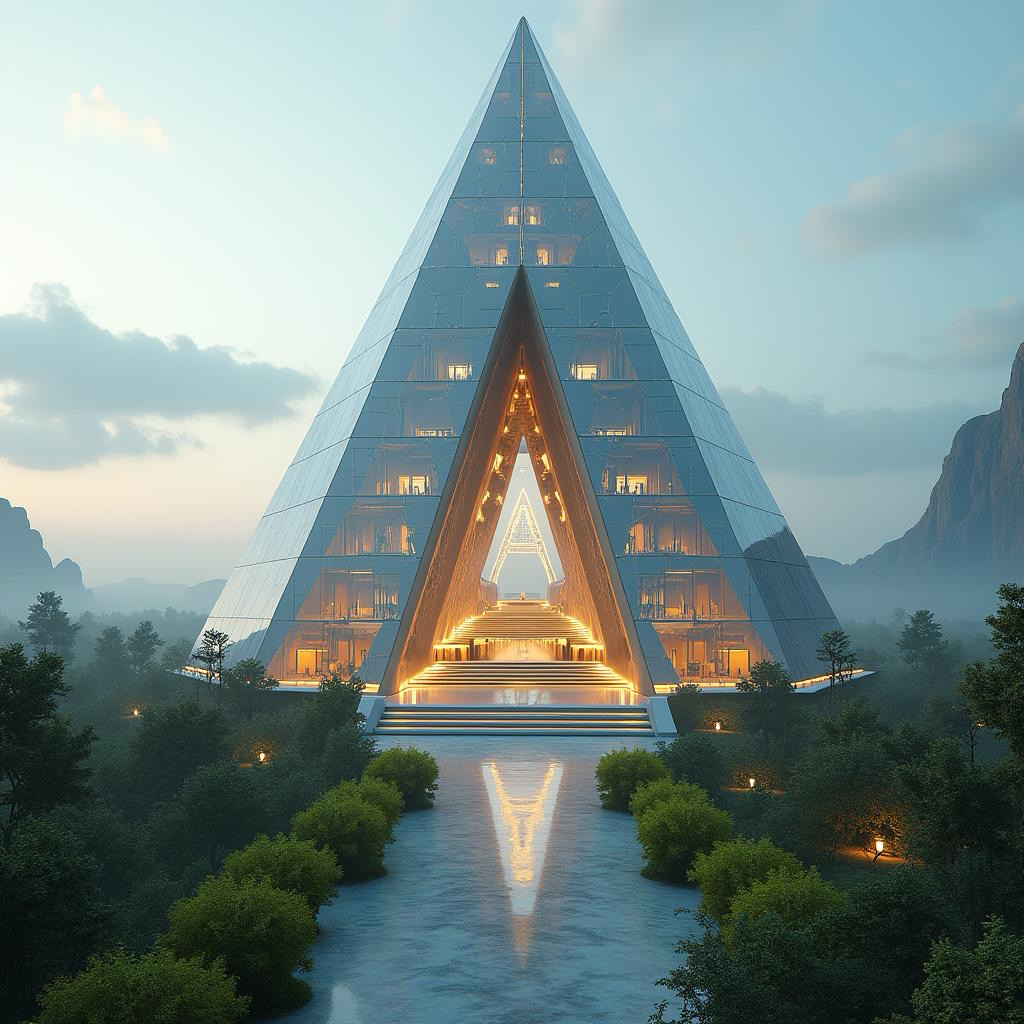
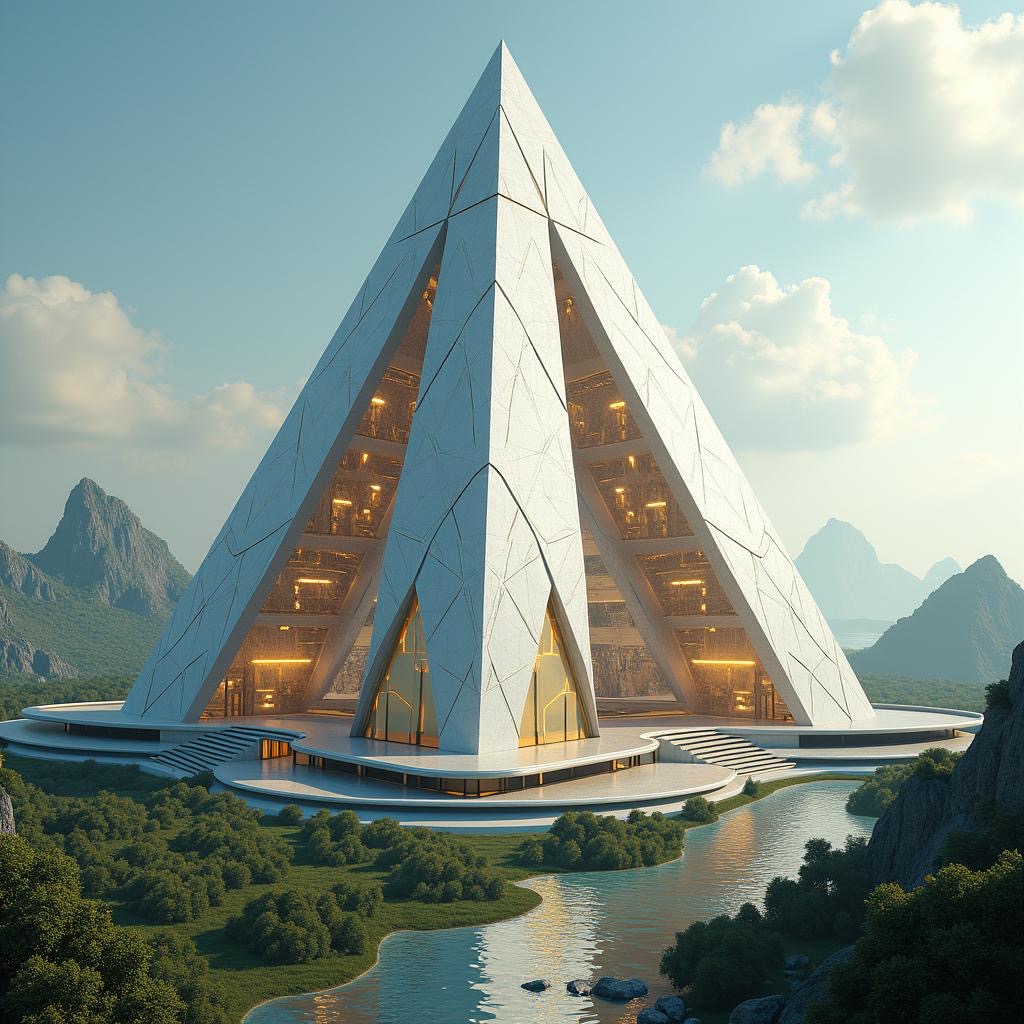
In ancient cultures across the globe, pyramids have been revered as monumental structures that carry not only architectural significance but also an aura of mystery and spiritual energy. From the Pyramids of Egypt to the Mesoamerican pyramids, these shapes have captivated humanity’s imagination for centuries. But what if, beyond their symbolism and cultural value, pyramids were actually energy conductors—superpowerful, natural tools capable of channeling, storing, and even healing?
This idea isn’t entirely new; there have been various theories over the years suggesting that pyramids, with their geometric precision and alignment with natural forces, could function as energy amplifiers. Could we, in our modern world, take these ancient principles and design structures that harness these mysterious energies? Could such structures heal the human body, solve the current crises we face, or even prevent future problems before they arise? Let’s delve into this fascinating concept.
The Geometry of Healing

Pyramids are often seen as symbols of stability, strength, and timelessness. Their design—especially the perfect alignment of the base and the apex—could be more than just a marvel of engineering. The shape itself might tap into natural energy forces, such as geomagnetic fields or energy frequencies that affect the human body. This hypothesis suggests that pyramids might be tuned to resonate with the energy fields of Earth, the cosmos, and even our own energy systems.
By understanding the way energy moves through these structures, we could create living spaces that don’t just house people but actively contribute to their well-being. Imagine entering a building in the shape of a pyramid and feeling a sense of calm wash over you, your stress melting away as the structure amplifies positive energy. This would be a space where healing is woven into the very design, offering not only physical relief but also mental and emotional restoration.
Healing Through Architectural Design

If pyramids can be harnessed as energy conductors, it’s possible that their influence could extend beyond personal health to larger societal challenges. What if we could design environments that reduce stress, promote healing, and enhance human performance? By creating spaces that optimize the flow of energy—spaces that harmonize with natural rhythms—we could foster more balanced lives, improved mental health, and heightened creativity.
But the potential doesn’t stop at individual wellness. Healing energy within architectural forms could potentially be used to address some of the world’s most pressing issues, such as climate change, resource scarcity, and societal inequality. By aligning structures with the Earth’s magnetic fields and energy flows, we could create buildings that self-regulate their energy consumption, enhance air and water quality, and even generate renewable energy. These “healing” buildings might function as living organisms, nurturing both the planet and its inhabitants.
The Future of Architecture: A Pyramid-Inspired Design

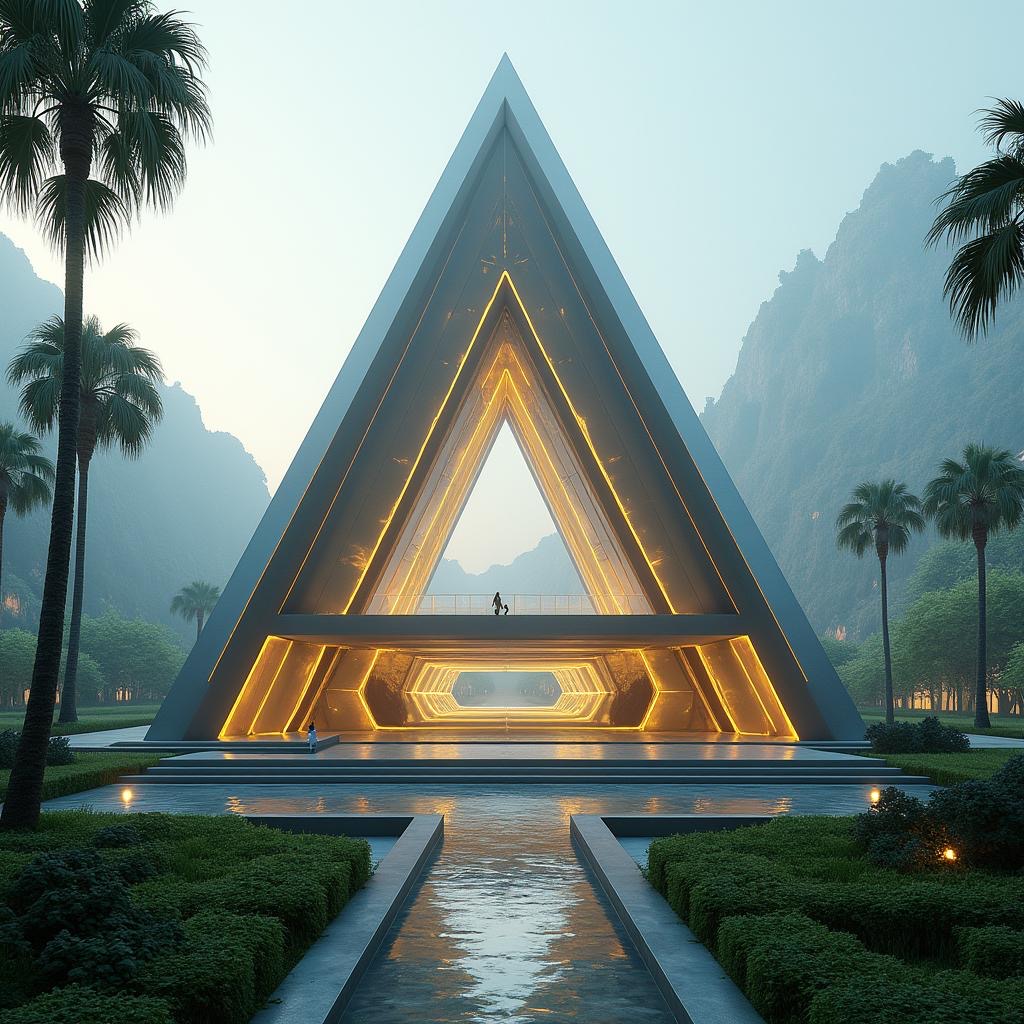
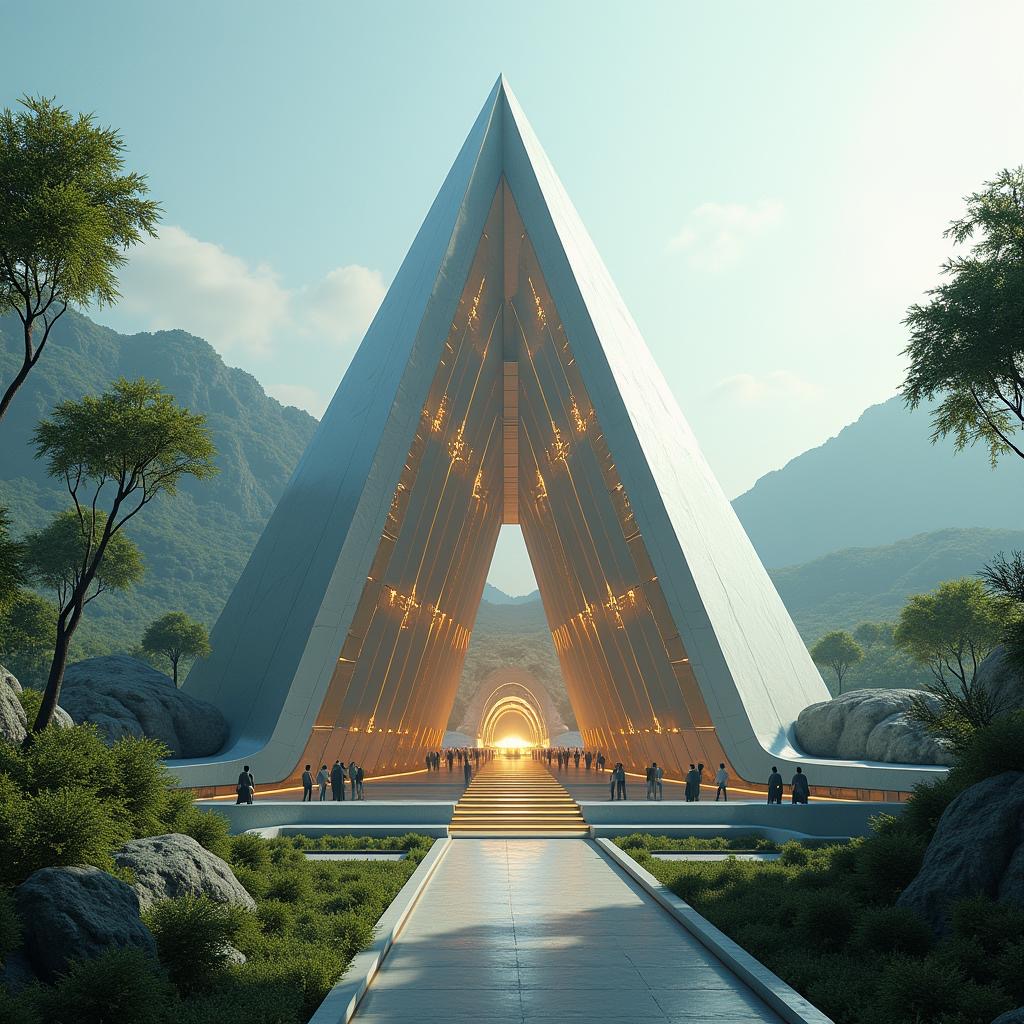
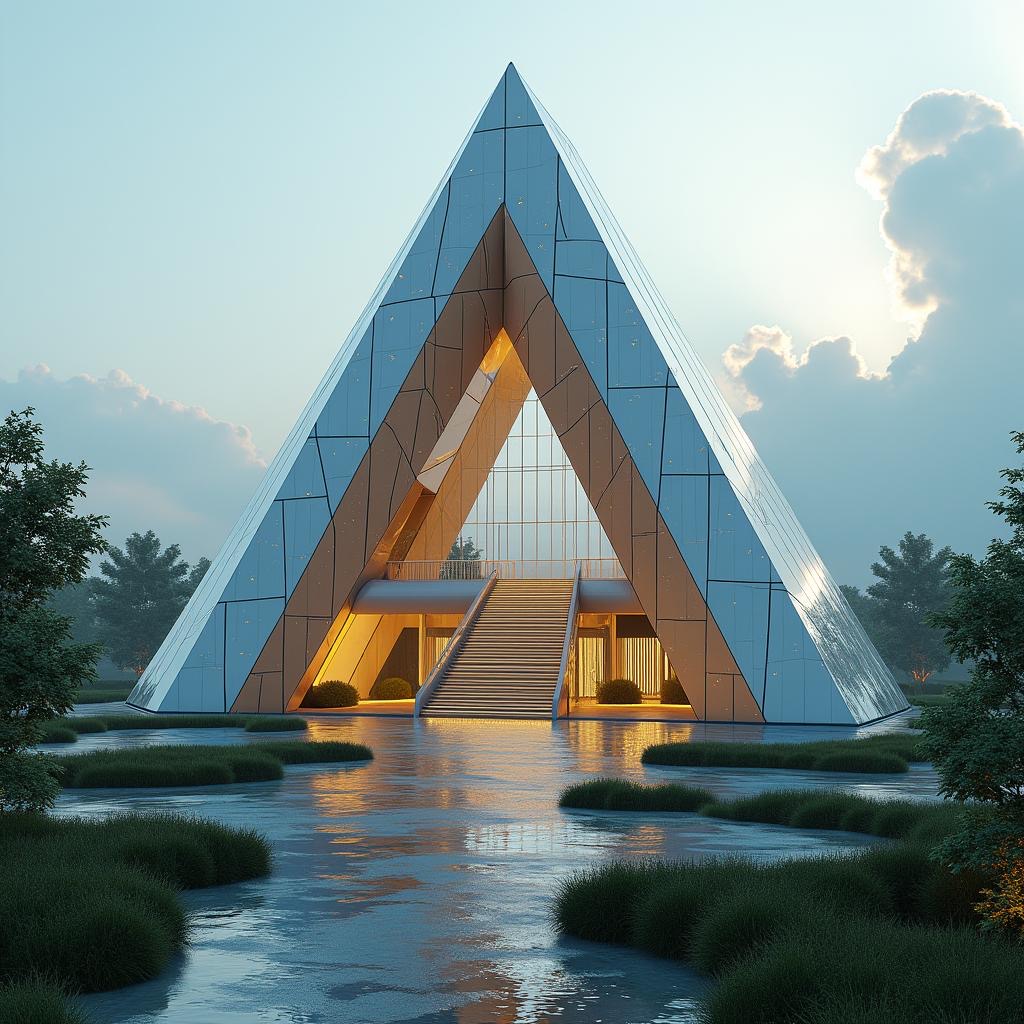
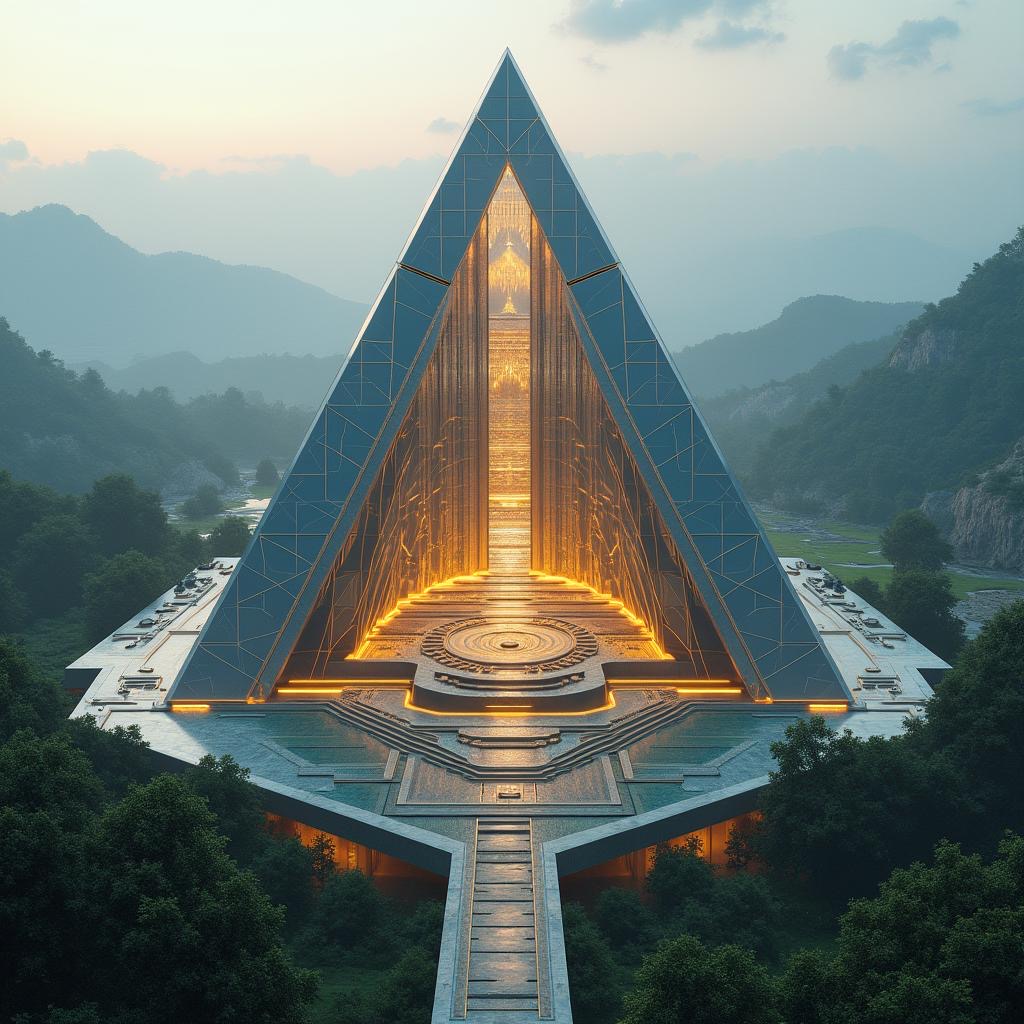
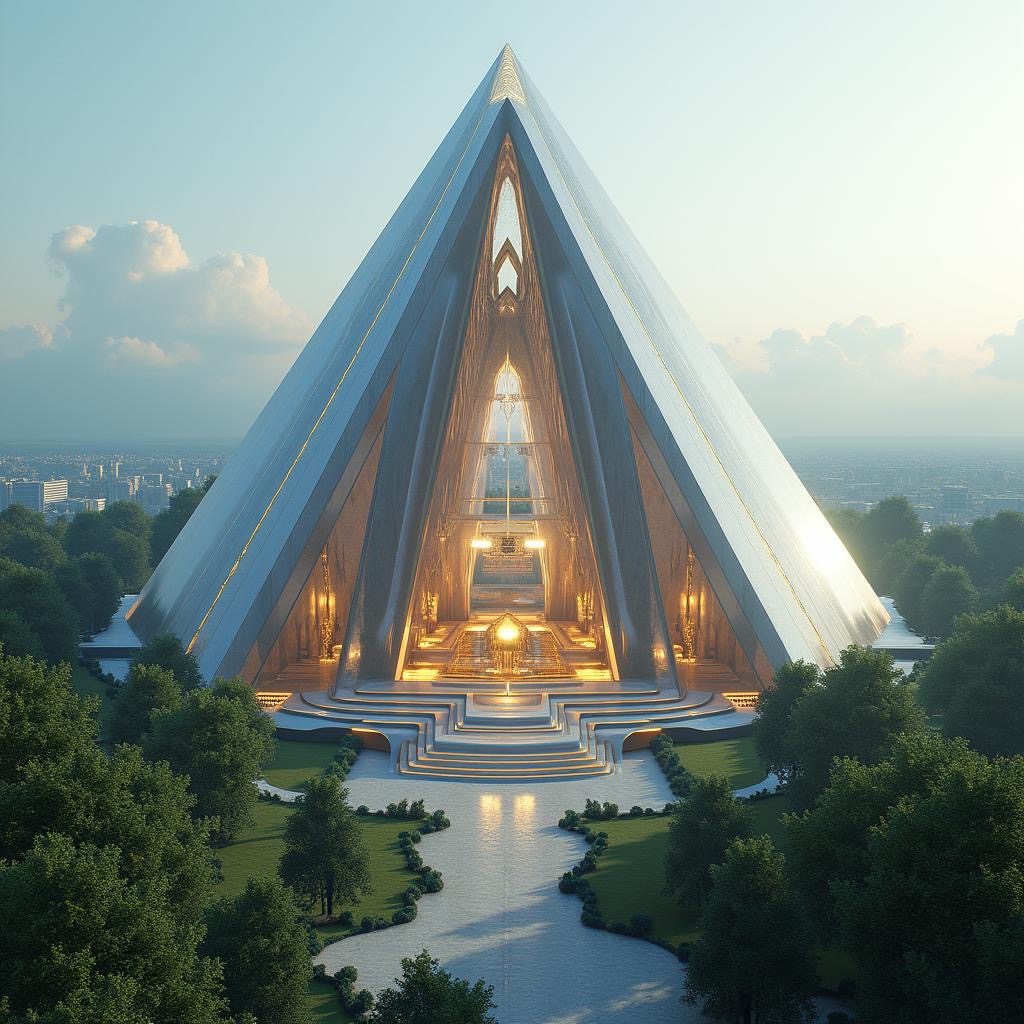
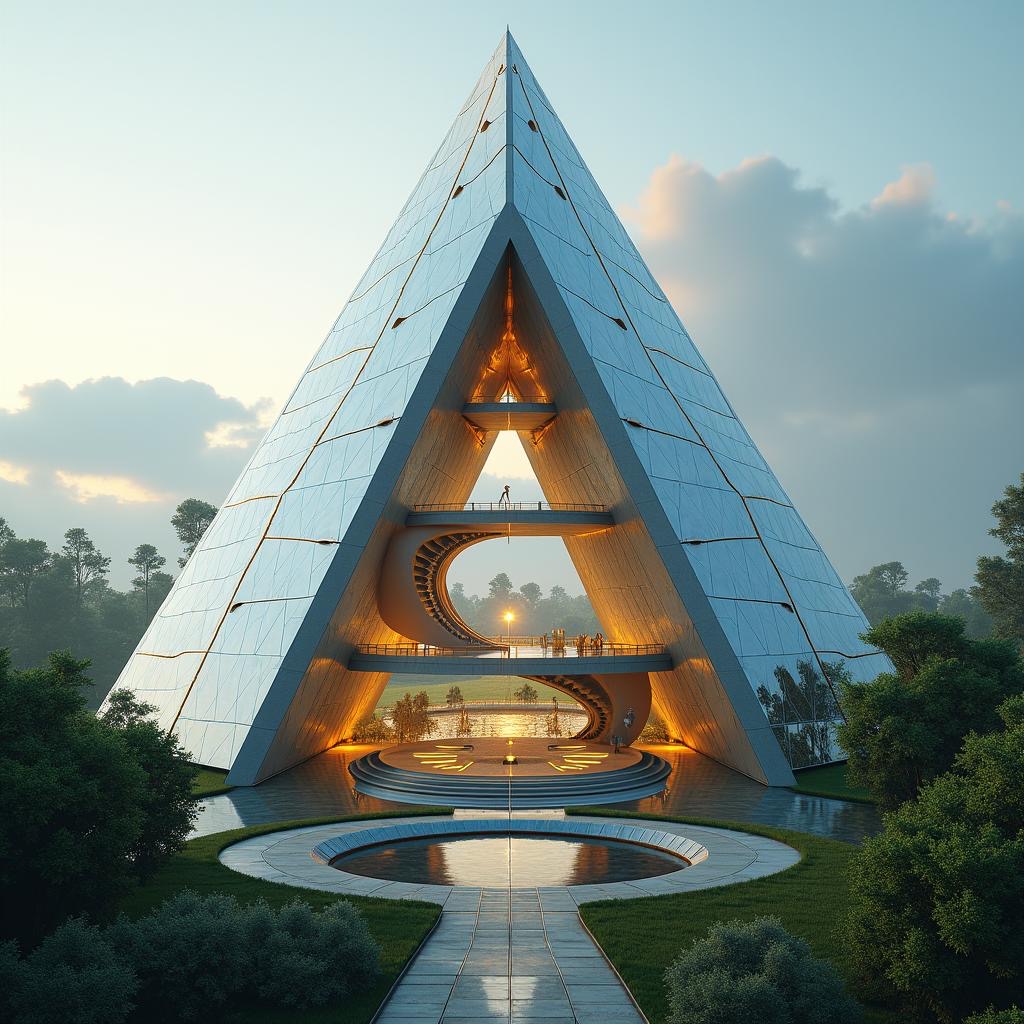
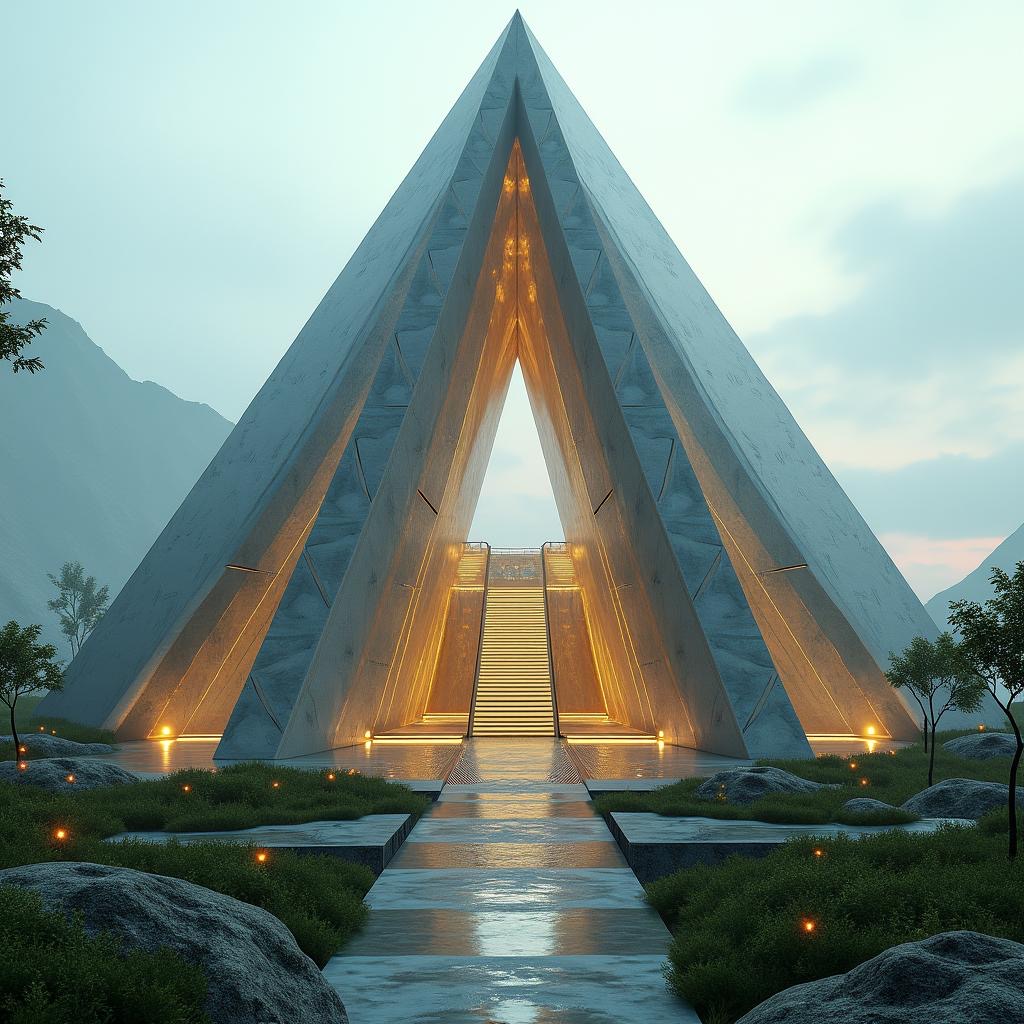
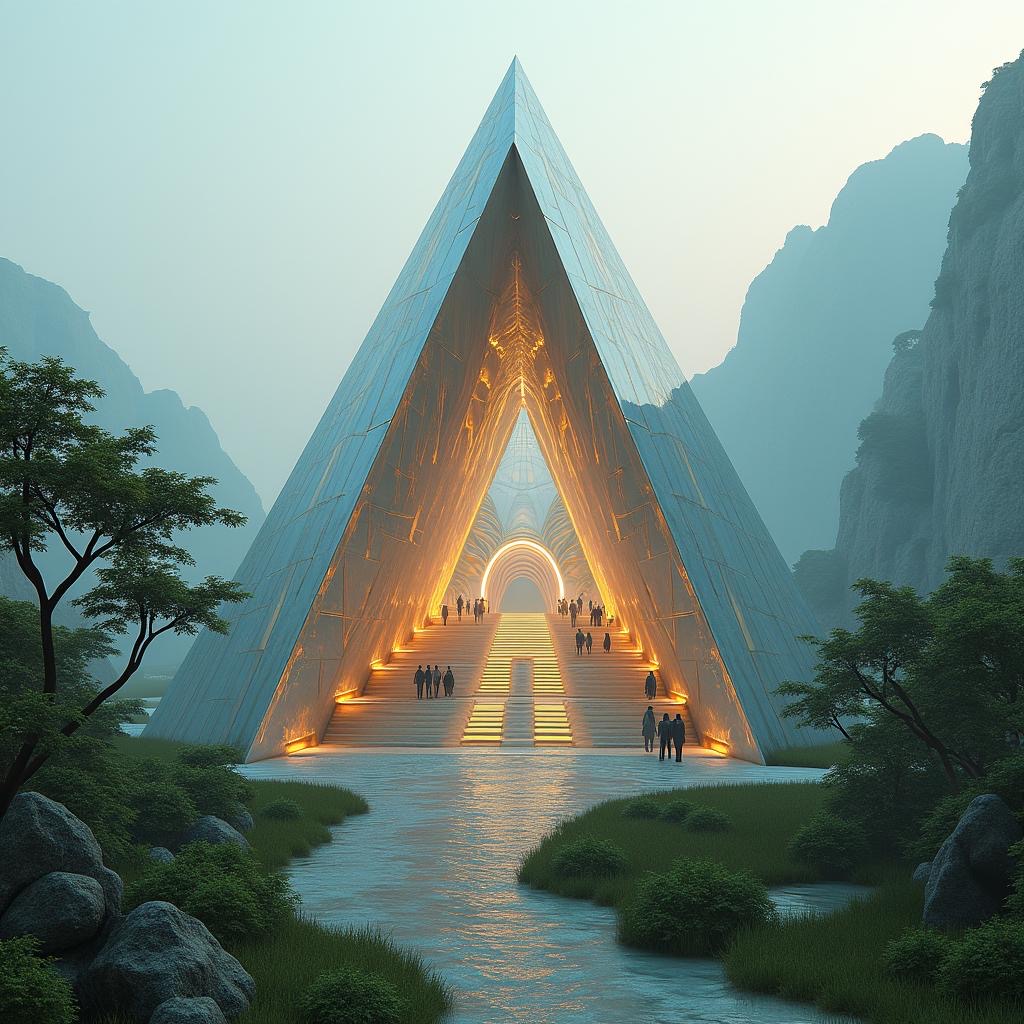
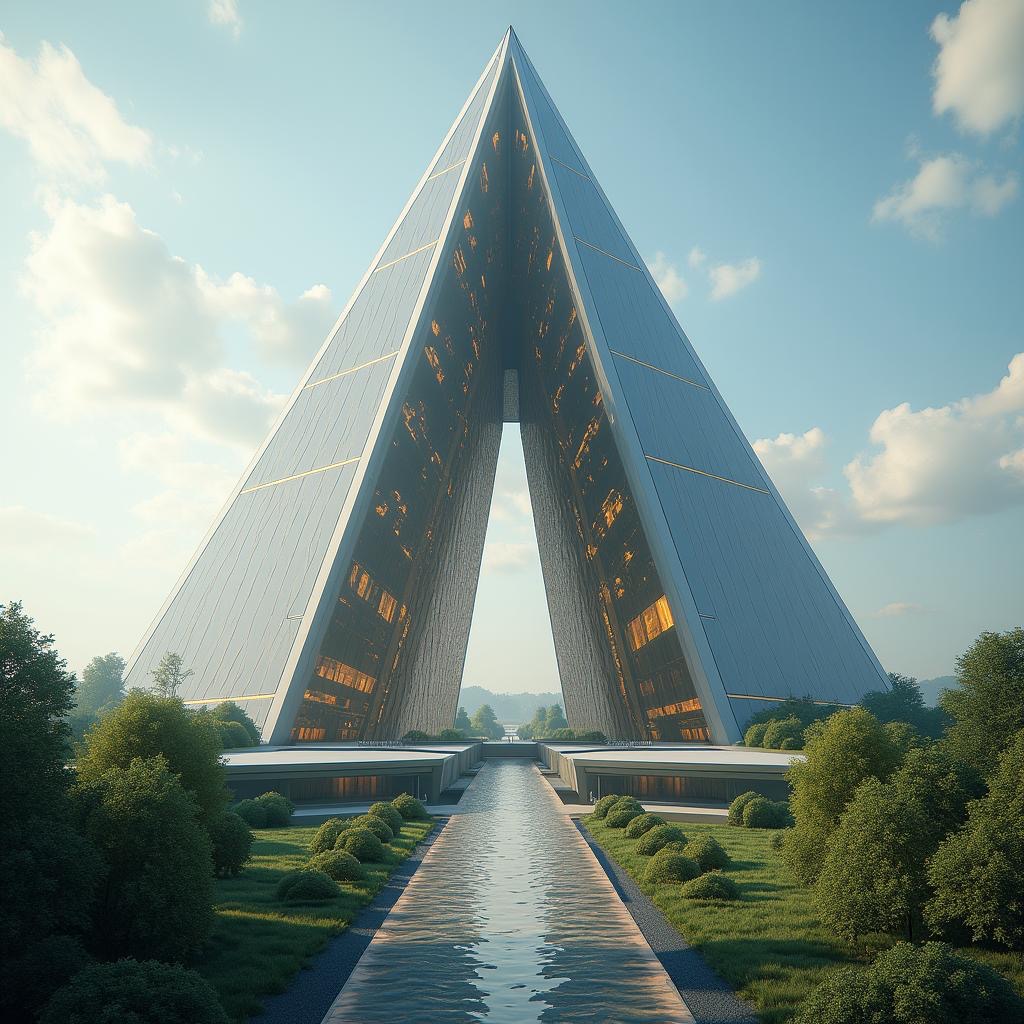
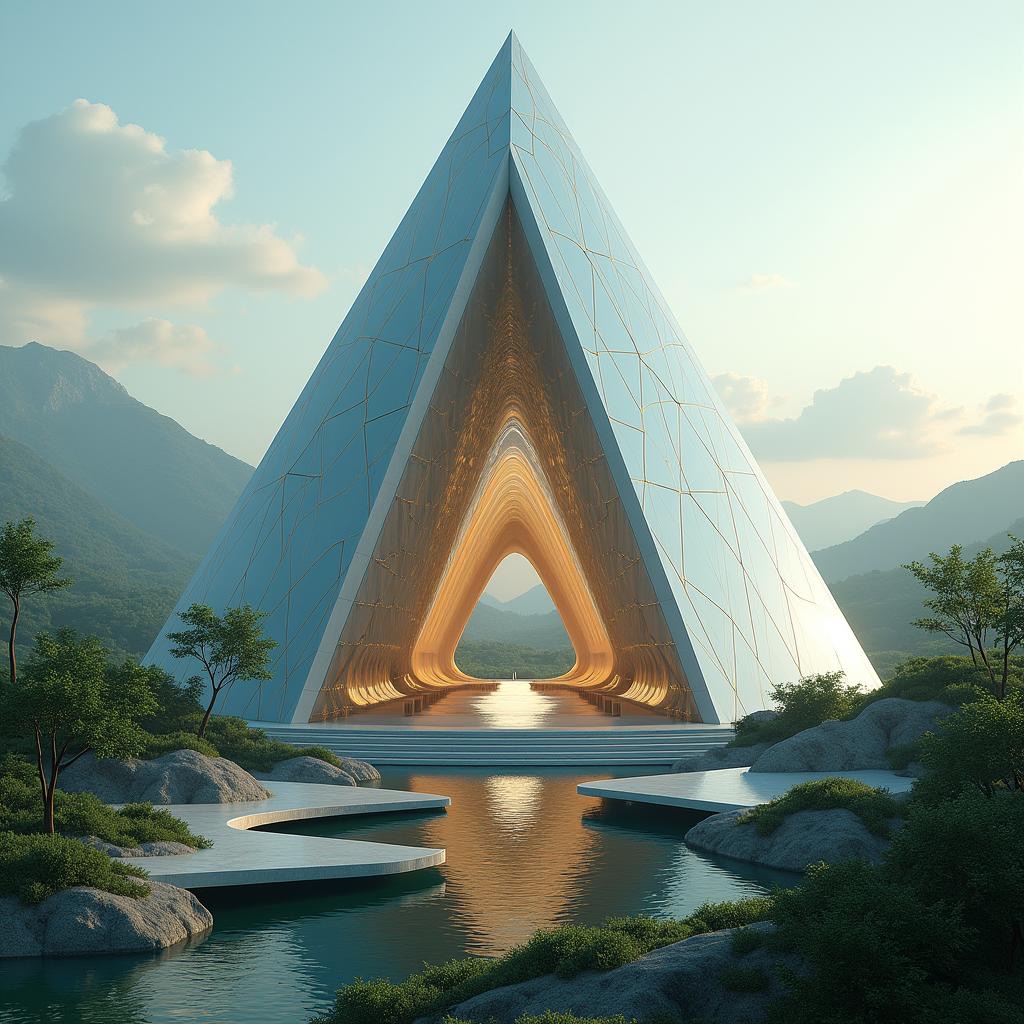
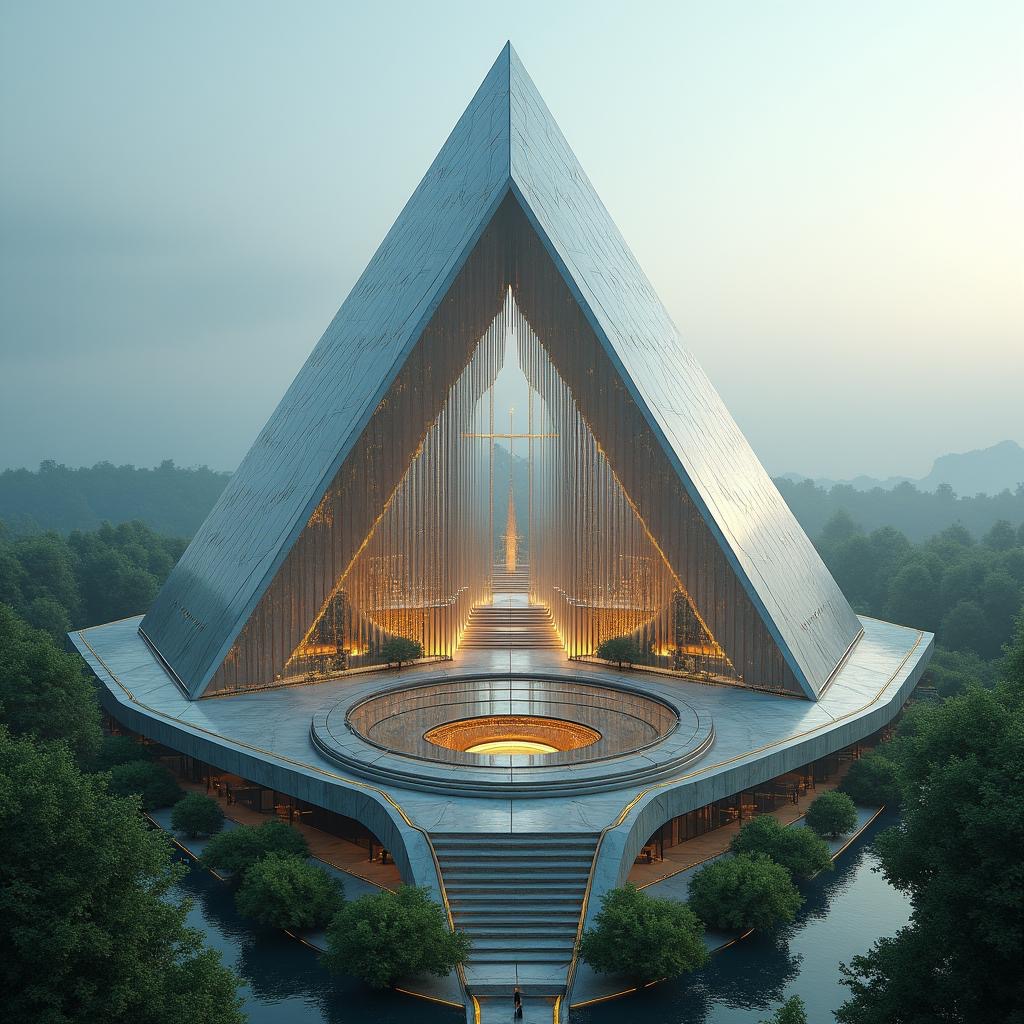
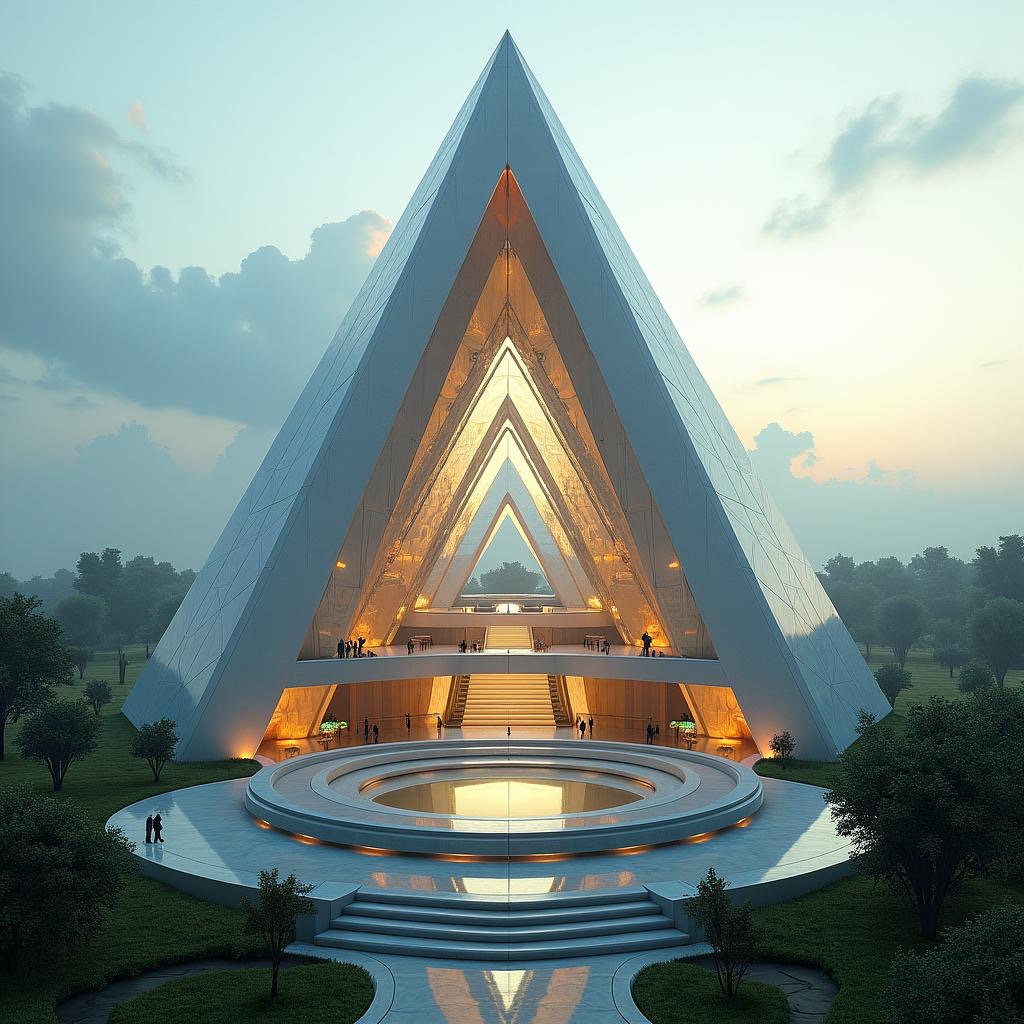
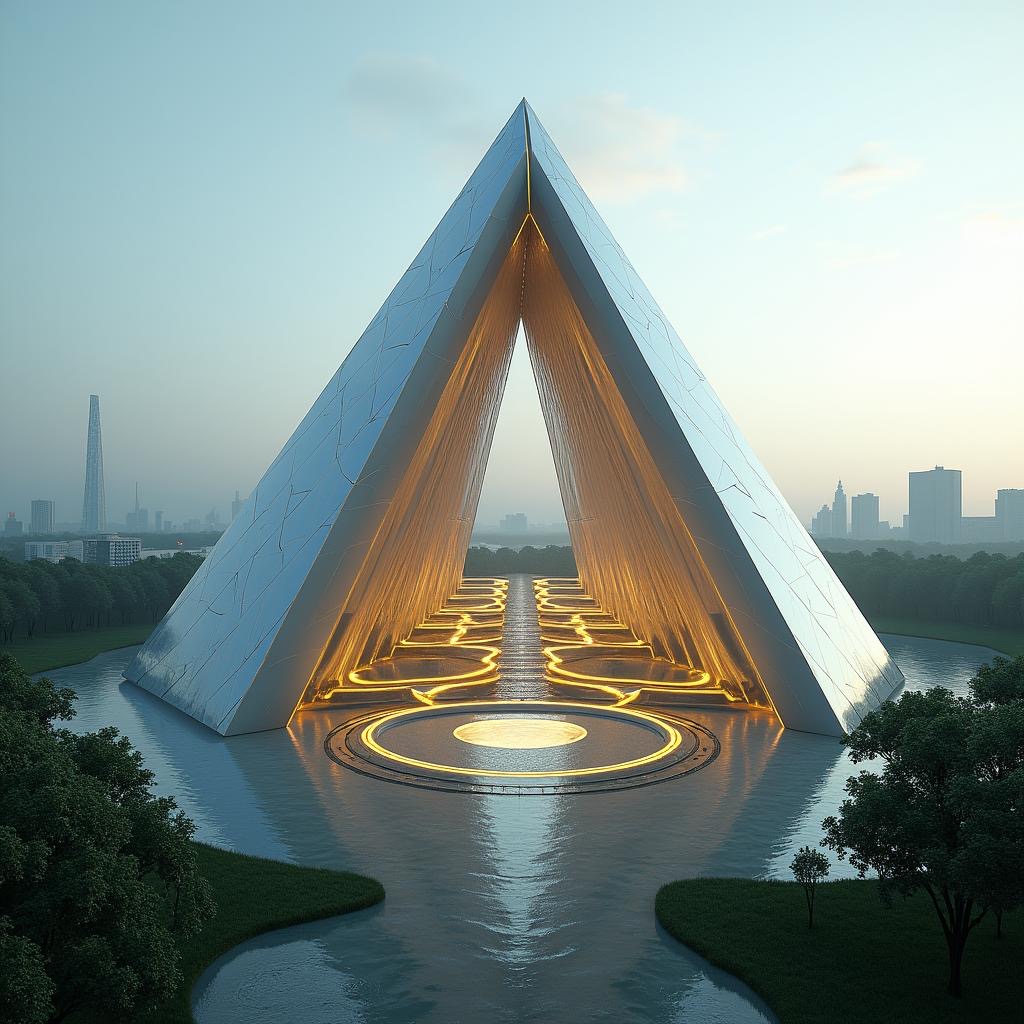
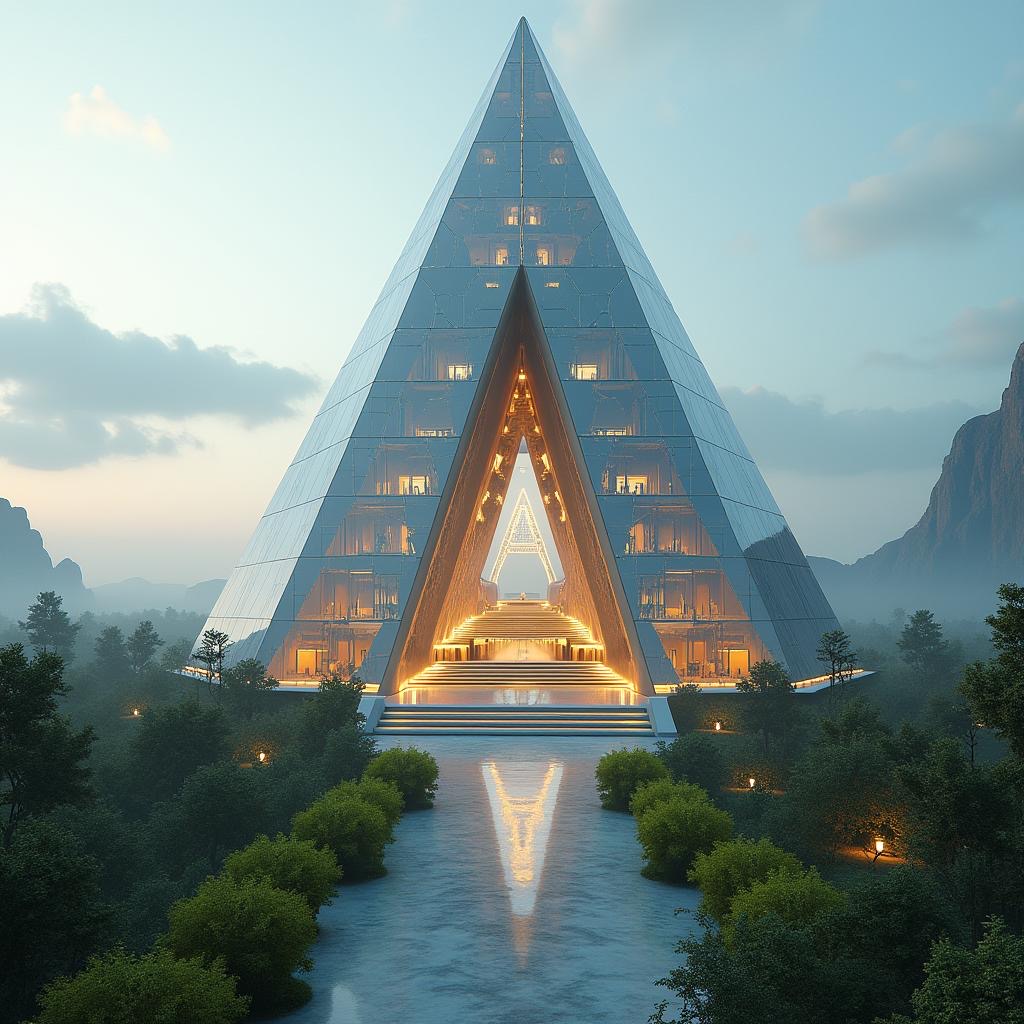
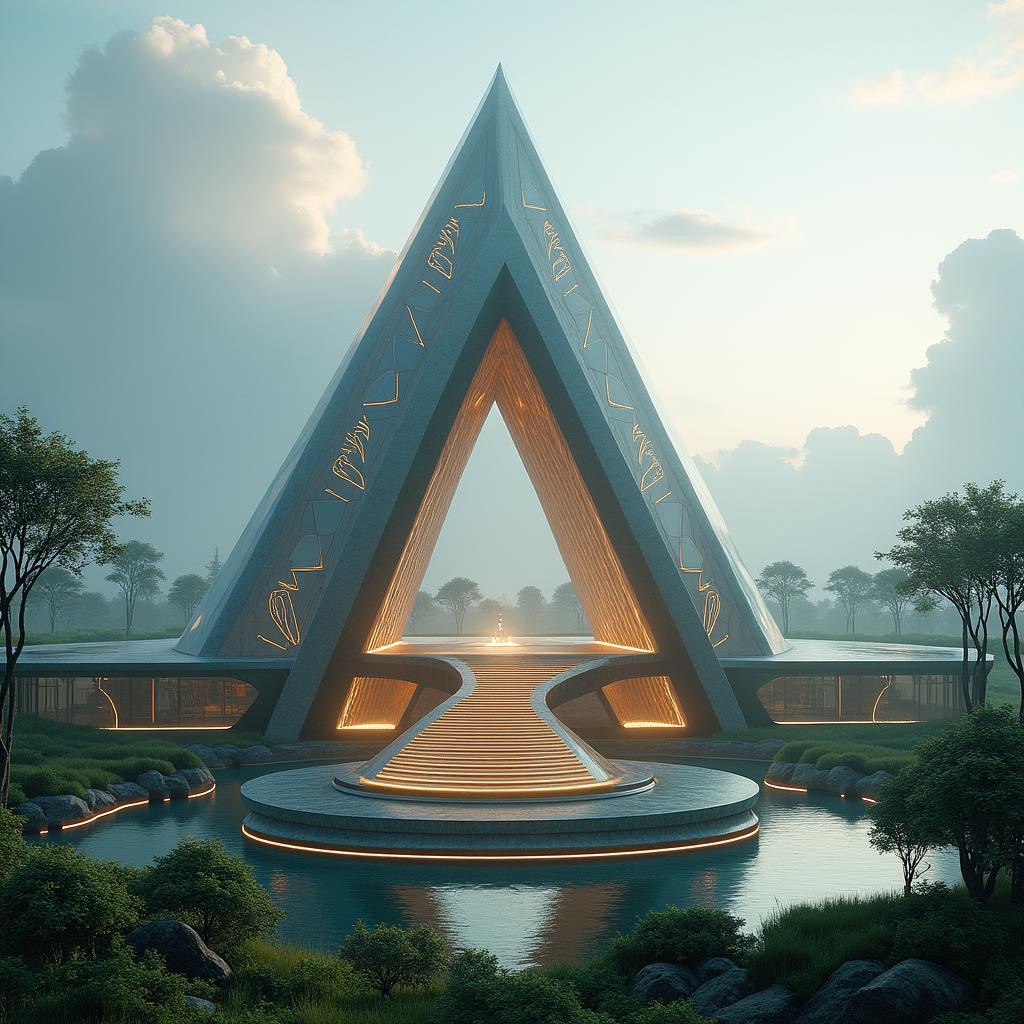
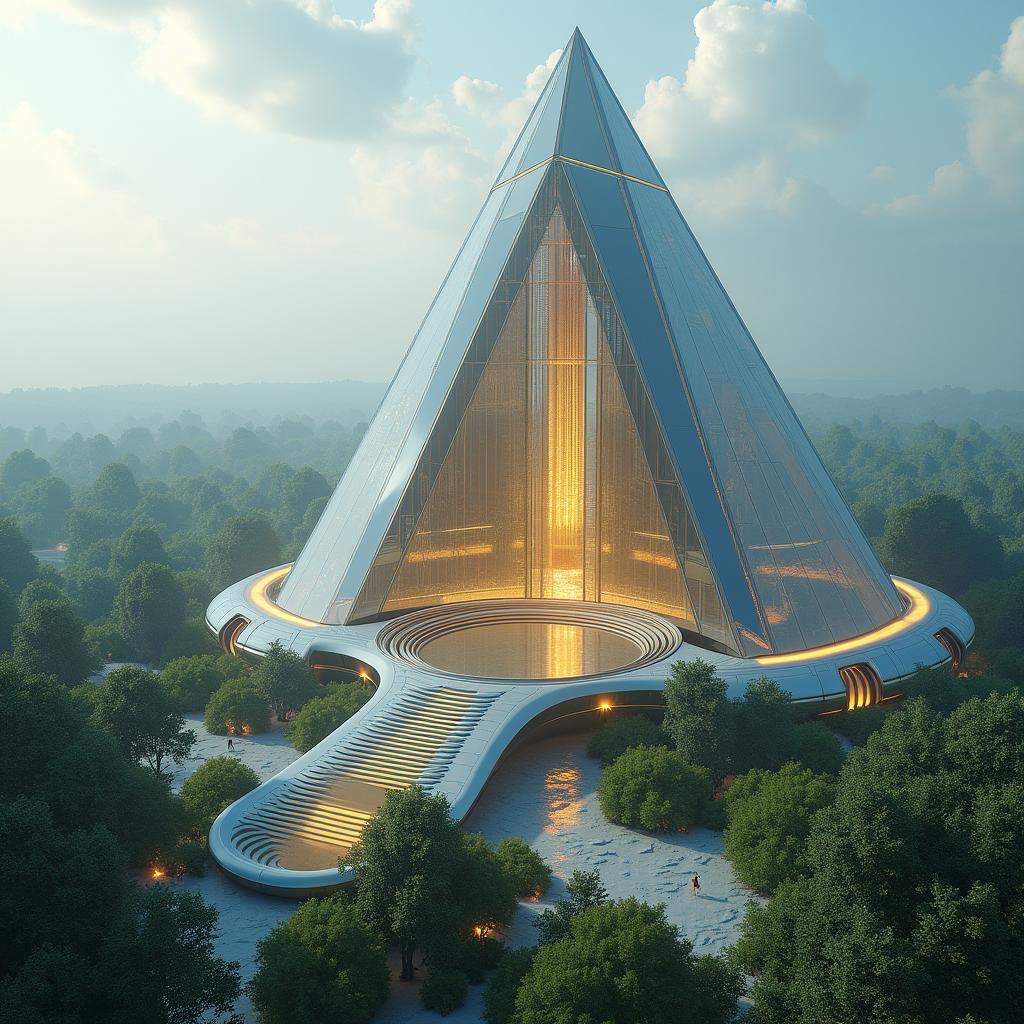
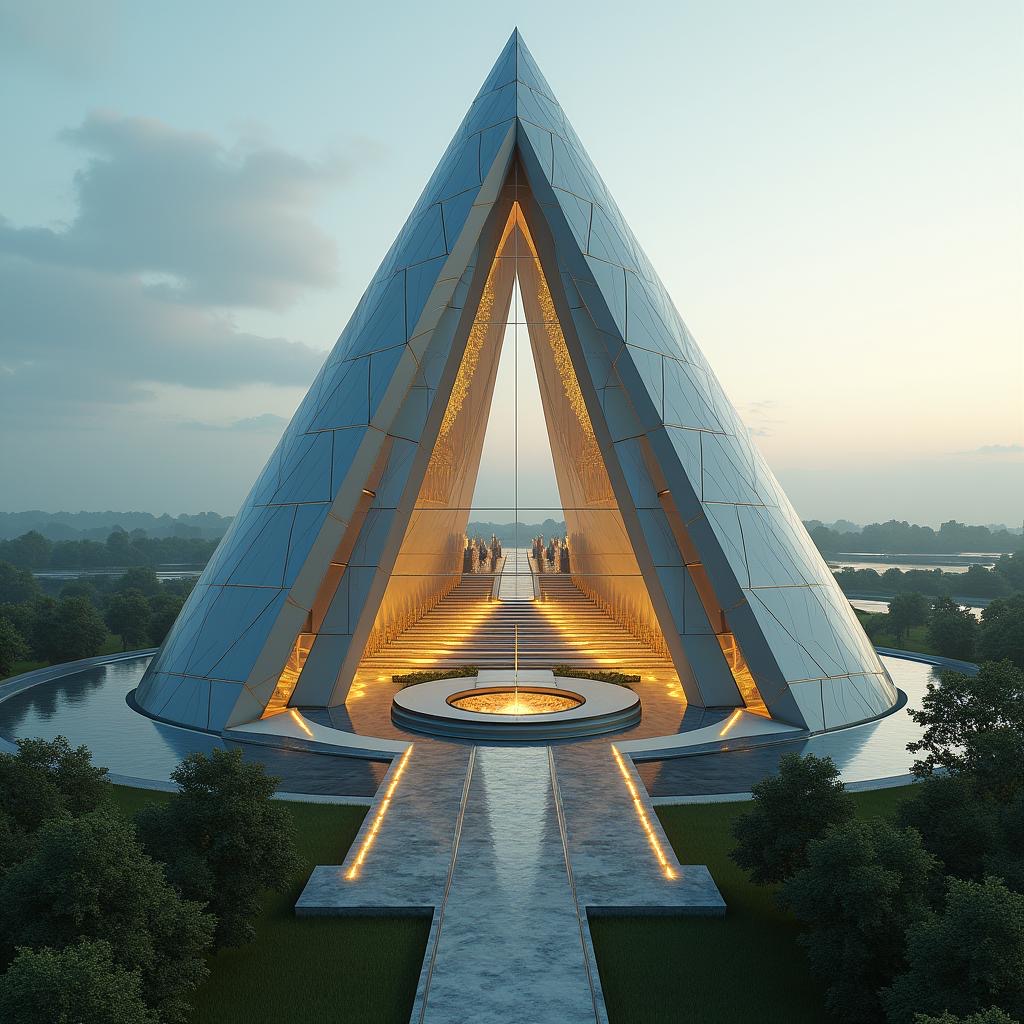
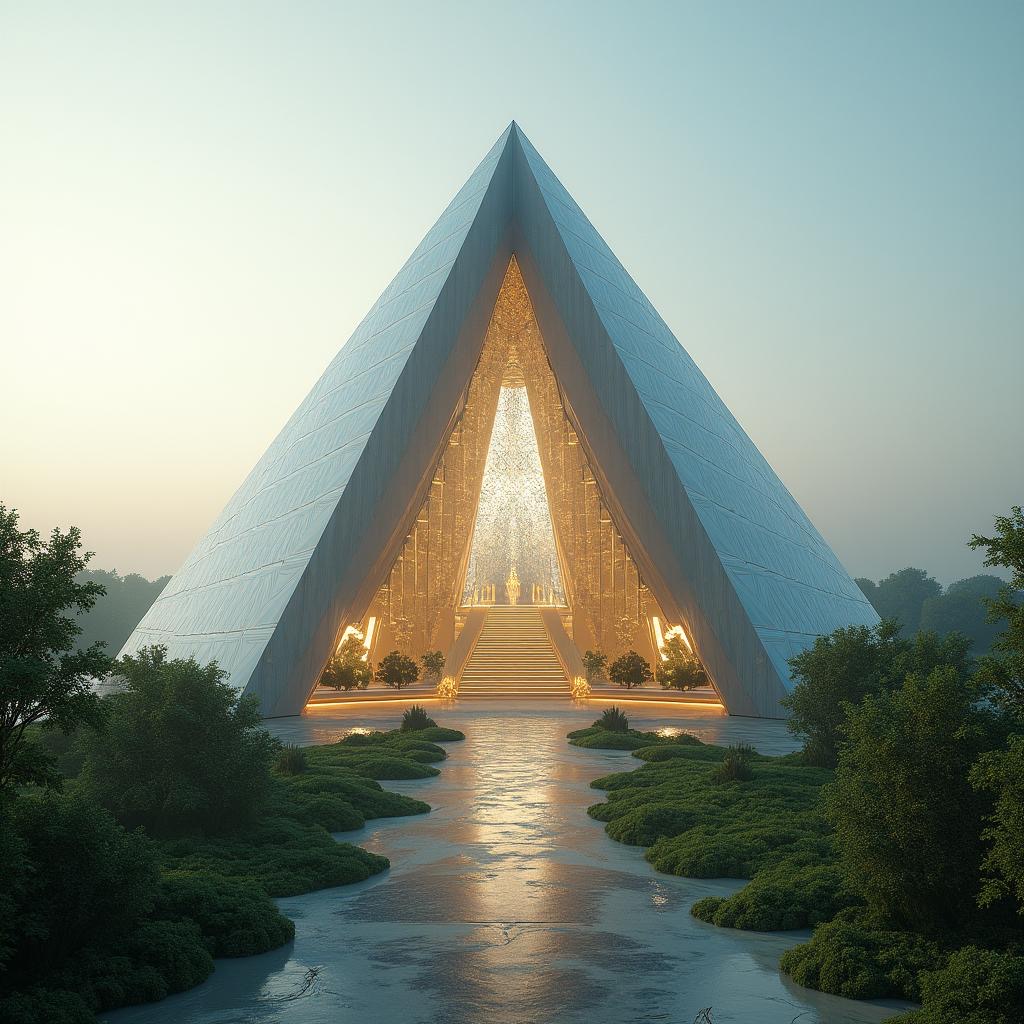
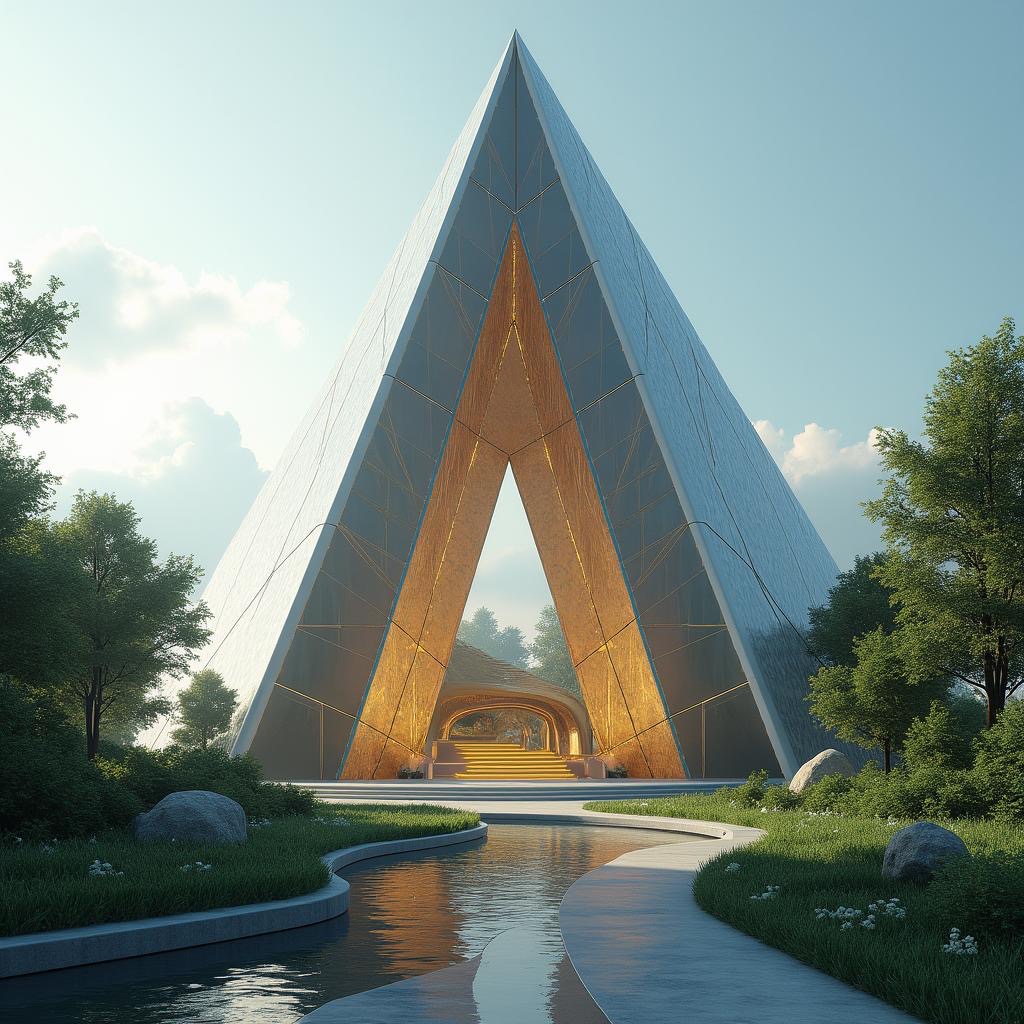
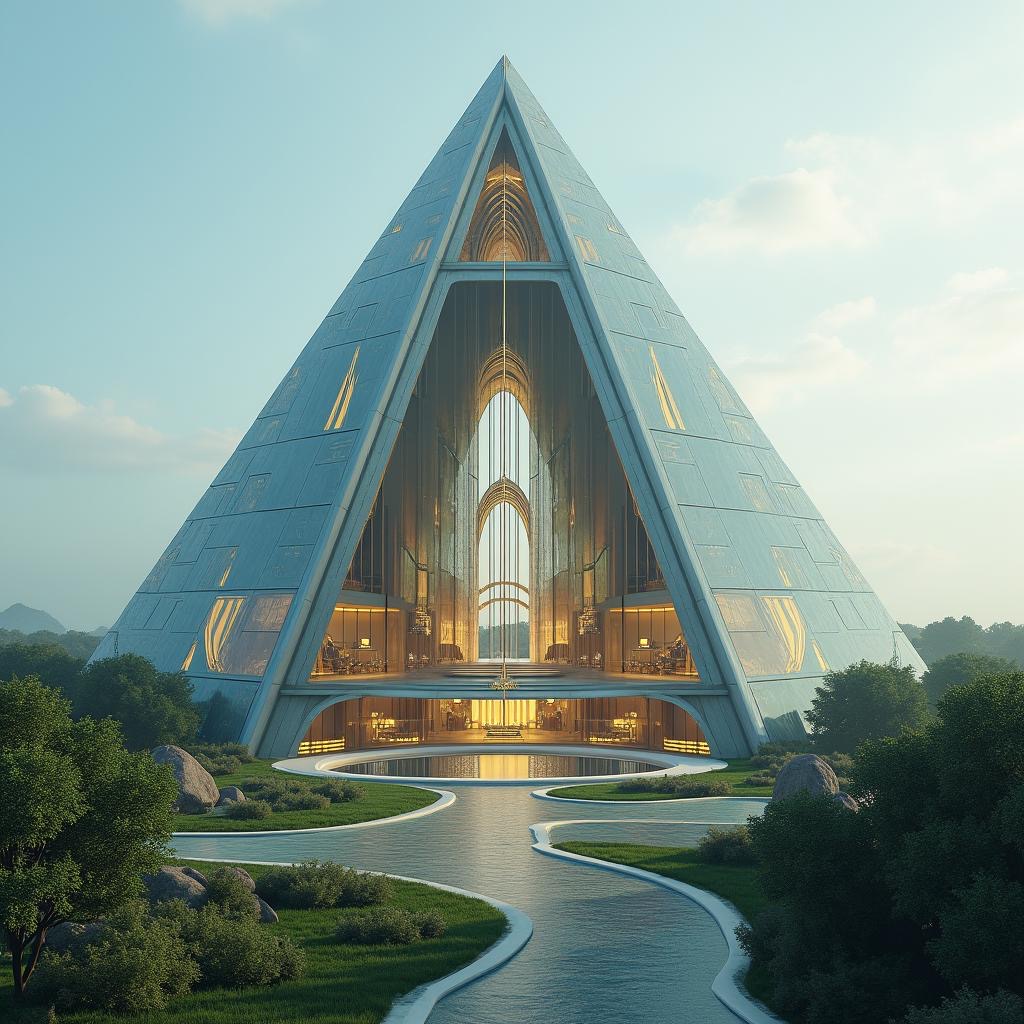
Building upon the idea of pyramids as super-powered energy conductors, imagine a state-of-the-art piece of architecture that uses the pyramid as a central design principle. A structure that goes beyond merely being functional and beautiful—it would be a living, breathing work of art that serves as a beacon of hope, healing, and sustainability.
Conceptualizing the Design:
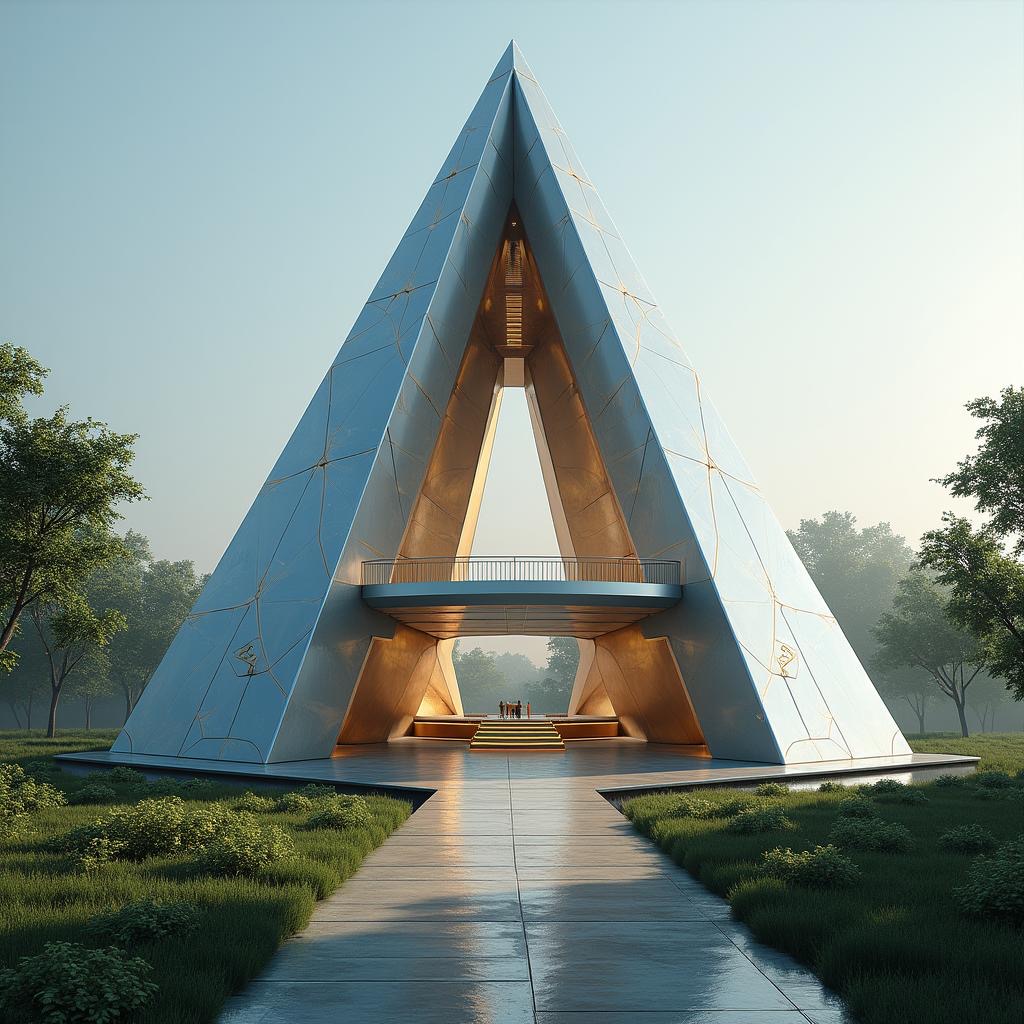
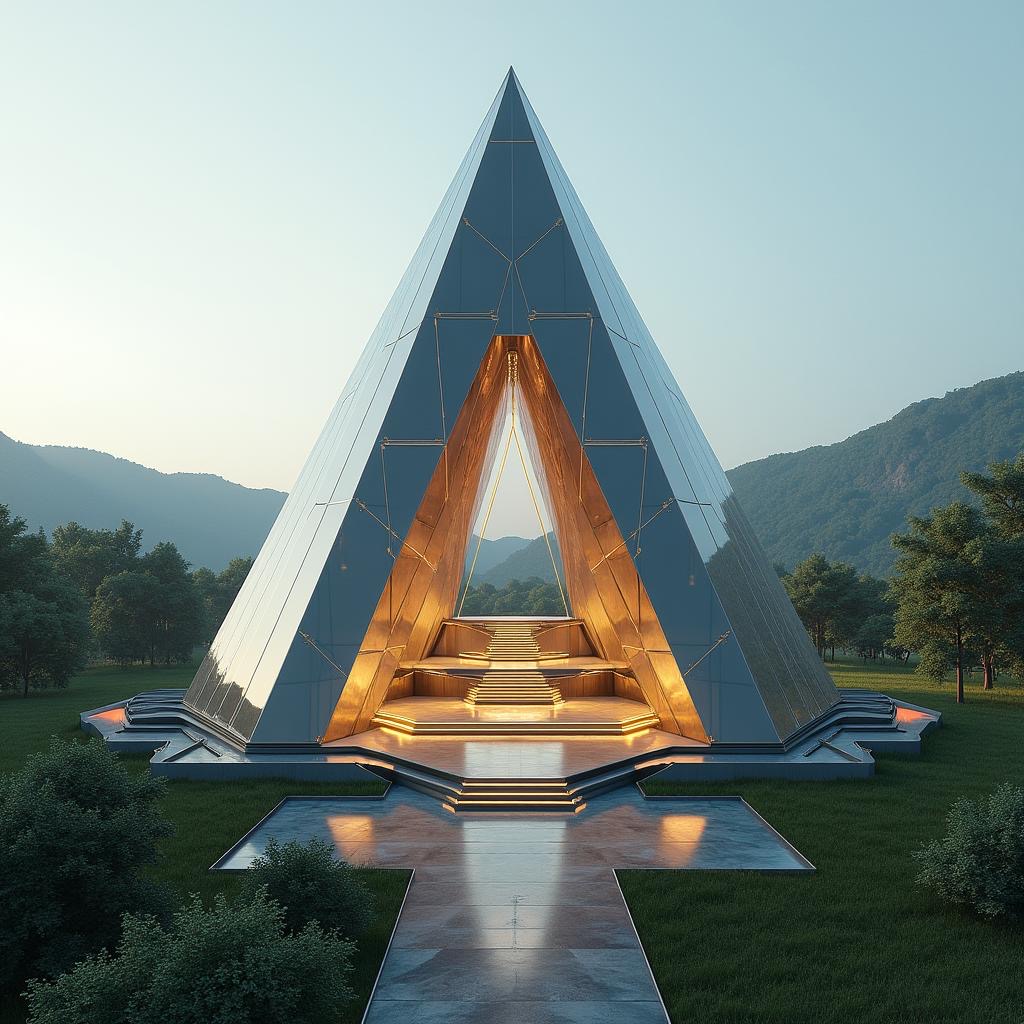
- The Energy-Conductive Shell: The exterior of the building would feature a sleek, angular pyramid shape. The surface would be made from a combination of natural, sustainable materials like translucent solar glass and energy-efficient panels. These materials would not only capture and store solar energy but also convert it into electricity that powers the building. The design would also include geodesic patterns to amplify energy frequencies and enhance the structure’s healing properties.
- Interior Healing Zones: Inside, the space would be divided into different “healing zones,” each designed to nurture the body, mind, and soul. These zones could include areas of natural light, greenery, and soundscapes that align with specific energy frequencies. Rooms could be equipped with advanced technology, like air purifiers, mood-regulating lighting, and sound therapy systems to help reduce stress and enhance concentration.
- Bioadaptive Architecture: The building’s inner workings would be bioadaptive, meaning that the structure would continuously adjust to the occupants’ needs. Through smart technology and AI, the building could monitor energy fields, optimize airflow, adjust light settings, and even influence room temperature in response to the occupants’ emotional and physical states.
- A Global Solution: On a larger scale, this pyramid-inspired architecture could be part of a global network of interconnected structures. Imagine a world where cities are built with energy-efficient, pyramid-shaped buildings that not only heal individuals but also solve larger environmental problems. These structures would work synergistically with nature, generating clean energy, promoting biodiversity, and ensuring a sustainable future.
- The Paradox of Perfection: The building itself would embody the philosophical concept of “The Parallax Sanctuary,” where questions are raised rather than answered. Visitors would be encouraged to explore the contradictions between ancient wisdom and modern technology. The pyramid, as a vessel for energy, would not resolve the tension between nature and technology, but provide a space where humanity can contemplate its role in the universe and its potential to create a harmonious, balanced future.
The Path Forward
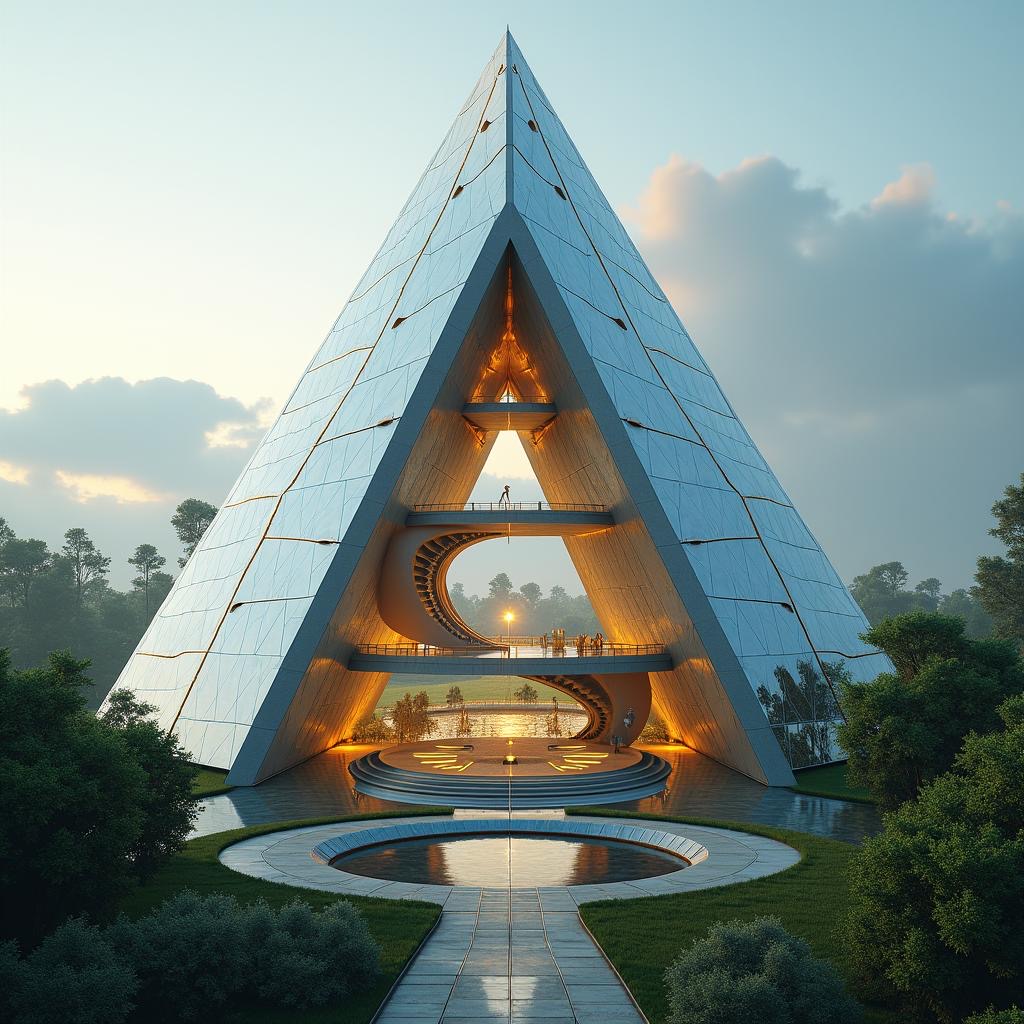
Building structures in the shape of pyramids that harness energy for healing and sustainability represents a profound shift in architectural thought. It challenges the current paradigms of design, energy usage, and environmental interaction. By embracing ancient wisdom and integrating it with cutting-edge technology, we could pave the way for a future where architecture actively contributes to the health and well-being of both individuals and the planet.
This vision goes beyond solving today’s problems; it is about creating a new reality where the built environment nourishes, protects, and sustains every generation to come.
Conclusion: A Vision of Hope
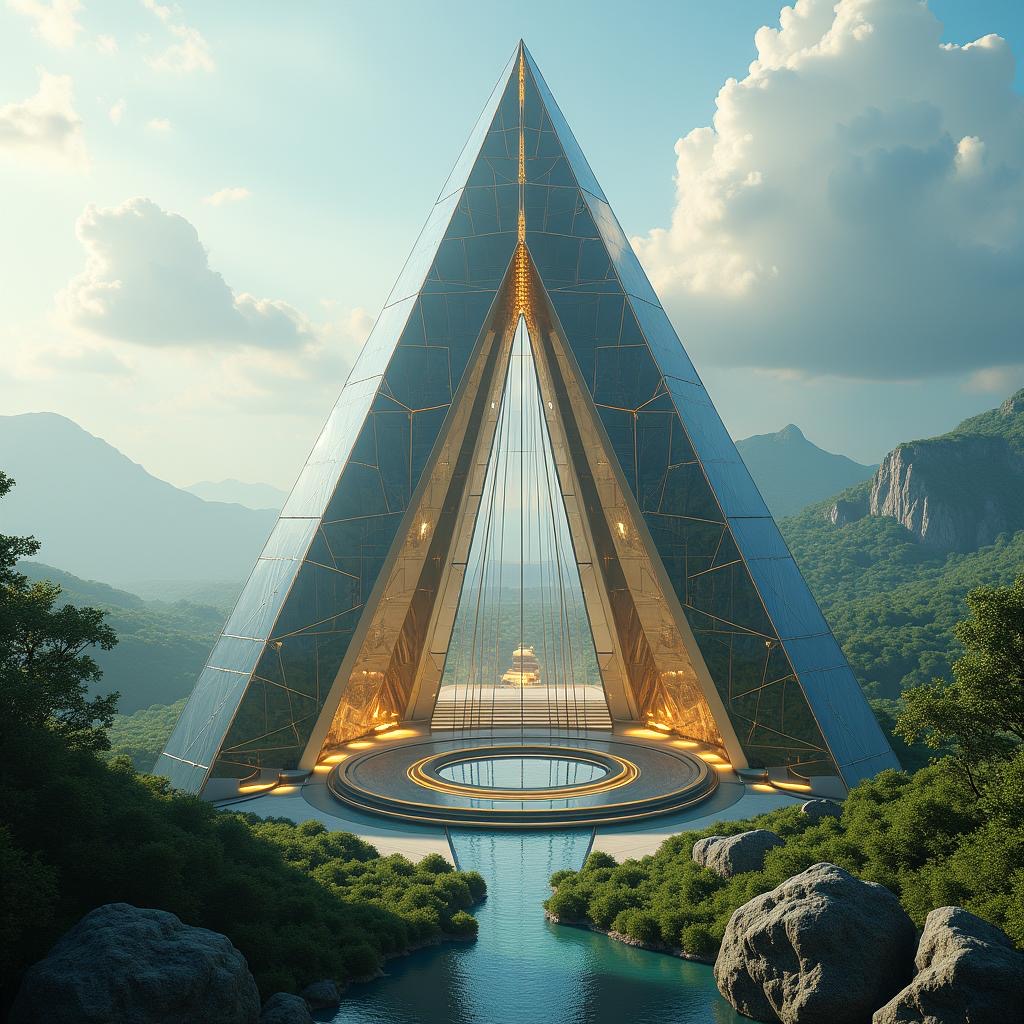
The potential of pyramid-inspired architecture to heal and solve global challenges offers a beacon of hope for a sustainable future. With a focus on energy conductivity, well-being, and ecological responsibility, we could create spaces that not only serve as homes and workplaces but as sanctuaries of healing. The future of architecture lies in spaces that are not simply structures—they are dynamic entities that harmonize with nature and nurture the human spirit. Through the design and construction of these spaces, we have the power to heal ourselves, our environment, and generations to come.
Design Principle for Architecture:
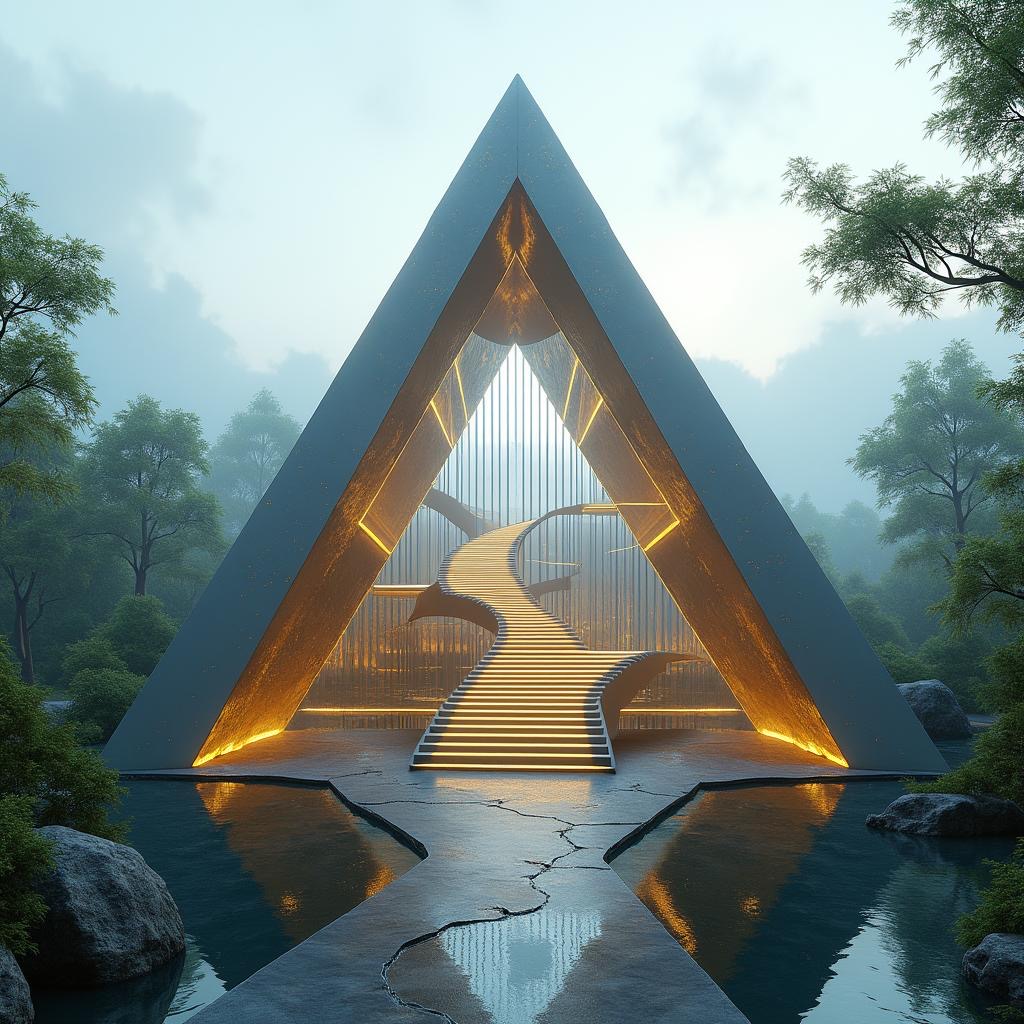
Drawing inspiration from this concept, your state-of-the-art architectural design could reflect the power of pyramids as conduits of healing energy. The structure would incorporate sustainable, renewable energy systems and bioadaptive technologies to enhance the physical and mental well-being of its occupants. Through its use of pyramid geometry, the building would create a space of personal reflection, introspection, and global healing—an architecture that not only houses people but actively fosters their growth and well-being.
This design would be a step toward an integrated future—where architecture and nature are no longer in opposition but work together to create a harmonious world.












Leave a Reply