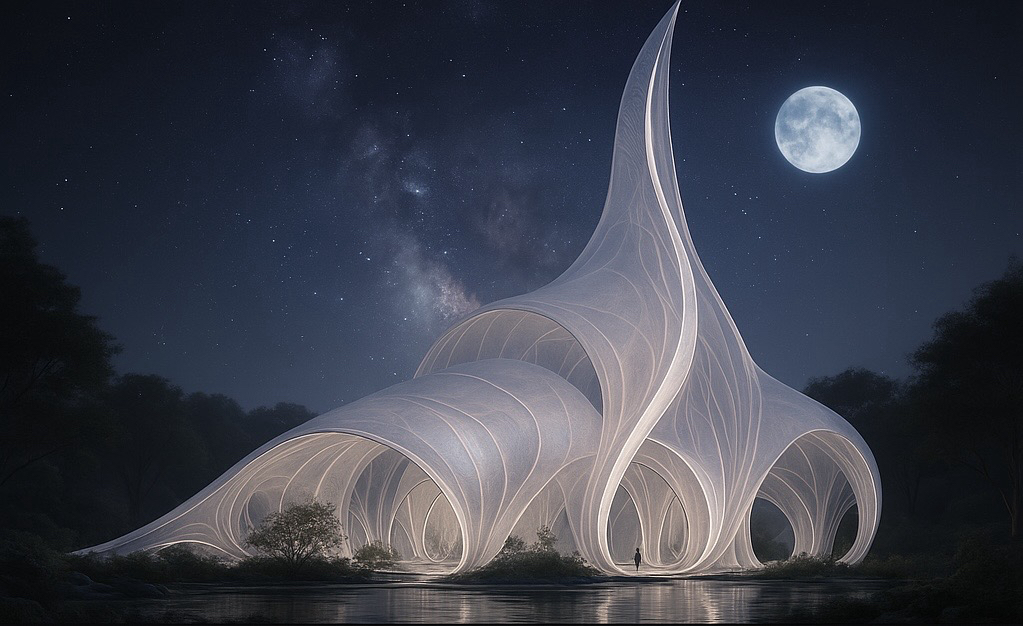
By Charles LaVell Scott
Founder | Architect | Researcher of Brainwave Intervention
Abstract
What if architecture didn’t just house the body, but healed it?
What if buildings didn’t just reflect culture, but shaped consciousness?
What if identity itself was not fixed, but vibrational—a frequency that could be tuned?
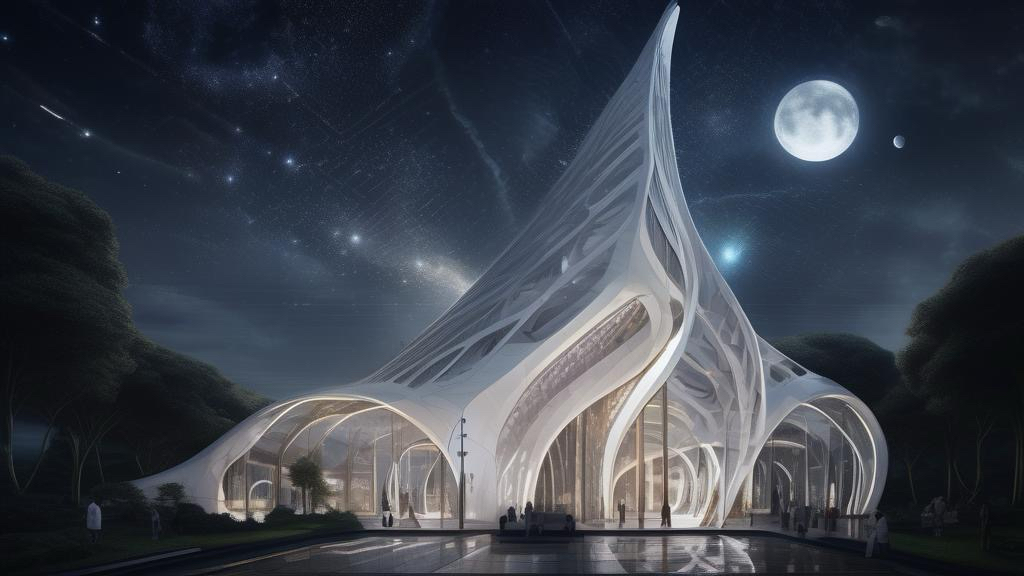
In this article, I explore the emerging frontier of Resonant Architecture—structures designed to operate at specific electromagnetic frequencies to shift human brainwaves, support emotional regulation, and accelerate healing. Rooted in the intersection of brainwave entrainment, vibrational medicine, and architectural design, this research proposes a future in which we do not merely build spaces—we tune them. This is not science fiction. It is frequency science applied to space.
1. Understanding Resonance Synchronization
The brain and body are frequency-sensitive systems. Neuroscience has long demonstrated that human brainwaves (delta, theta, alpha, beta, gamma) are entrainable—capable of synchronizing to external rhythmic stimuli, whether audio (binaural beats), visual (flickering light), or tactile (vibration).
This phenomenon, known as entrainment or resonance synchronization, extends beyond the brain. At the cellular level, all biological systems emit and respond to frequency. Disease, in many emerging models, is understood not just as biochemical imbalance, but vibrational dissonance. Each pathology carries a unique electromagnetic signature.
When exposed to a dominant frequency—be it music, an emotional state, or an architectural form—the weaker system often synchronizes with the stronger one. This creates both risk and opportunity.
2. From Hazard to Healing: A New Architectural Paradigm
Modern environments are saturated with low-frequency EMFs, chaotic lighting, noise pollution, and aesthetic dissonance. These structures can dysregulate the nervous system, elevate cortisol, and contribute to dis-ease—especially in sensitive individuals.
But what if we flipped the script?
The Hypothesis:
If environments influence human brainwaves and vibrational states, then we can design structures that:
- Calm the anxious (alpha and theta support)
- Energize the depressed (beta/gamma stimulation)
- Heal the diseased (via harmonic resonance to cellular frequency)
- Inspire elevated identity (entraining to higher cognitive states)
Architecture becomes not a static object, but an energetic intervention—a tuning fork for the human experience.
3. Identity as Frequency
At the core of my broader life research in Brainwave Intervention, I propose the radical notion that identity is frequency. That is, who we are—our emotional default, cognitive patterns, even behavioral traits—exist as a vibrational range.
If this is true, then environments, relationships, and internal practices can shift a person’s “identity frequency” over time—whether toward growth or regression.
Implication:
If I can change your frequency, I can temporarily or permanently change your persona.
4. Mapping Frequency to Form: Designing Therapeutic Space
In Resonant Architecture, every design choice becomes intentional frequency programming:
- Color as wavelength (e.g., blue = parasympathetic activation)
- Material as conductivity (e.g., copper or quartz for EMF modulation)
- Geometry as harmonic amplifier (sacred geometry aligns with mathematical resonance)
- Lighting as circadian entrainment
- Soundscapes embedded within walls (binaural, isochronic, solfeggio)
But beyond sensory elements, there lies potential for bio-active materials:
- Walls embedded with piezoelectric crystals
- Floors that pulse infrasonic frequencies
- Domes tuned to Schumann resonance (7.83Hz)
These forms can be programmed to emit frequencies mapped to:
- Alpha waves (8–13 Hz) for calm
- Theta waves (4–7 Hz) for creativity, trauma processing
- Delta waves (0.5–4 Hz) for deep healing
- Specific organ frequencies (per Rife, Royal Raymond; empirical medicine)
5. Ethical + Scientific Considerations
While the healing potential is vast, so is the need for ethical grounding. Questions arise:
- Who chooses the frequency “presets”?
- Can architecture manipulate identity?
- How do we test and verify bioresonant efficacy?
Early studies in vibrational medicine, EMF modulation, and biogeometry offer fertile ground for collaboration. This vision invites architects, neuroscientists, designers, healers, and physicists into shared dialogue.
Conclusion: Becoming the Frequency of the Future
Resonant Architecture is not simply about aesthetics. It is about entraining consciousness to more coherent, harmonious states—through space.
This is the new frontier of architecture—not concrete and steel, but frequency and form.
We are not just designing spaces for people.
We are designing spaces that help people become who they were meant to be.
Design Principle

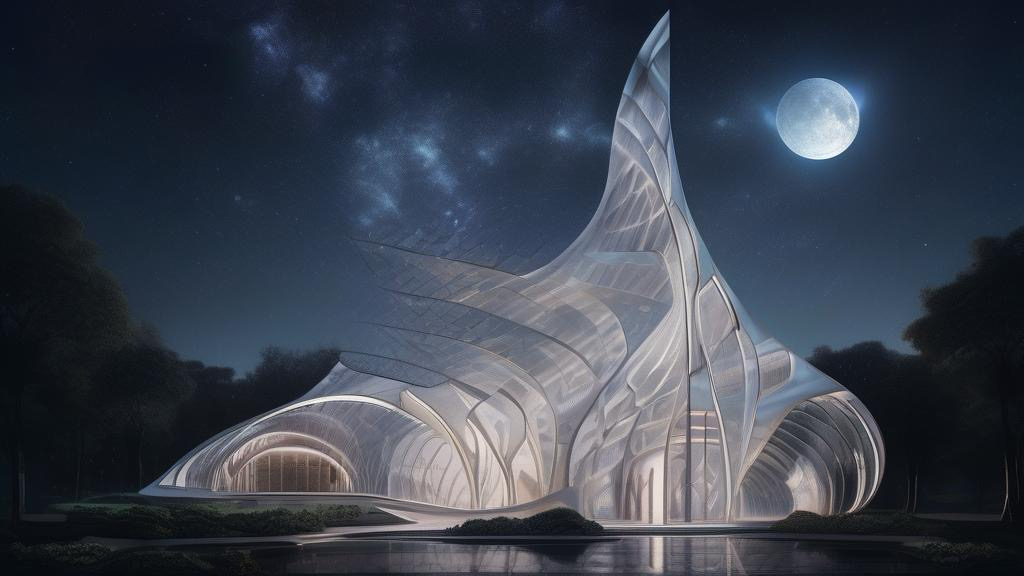
Elevations
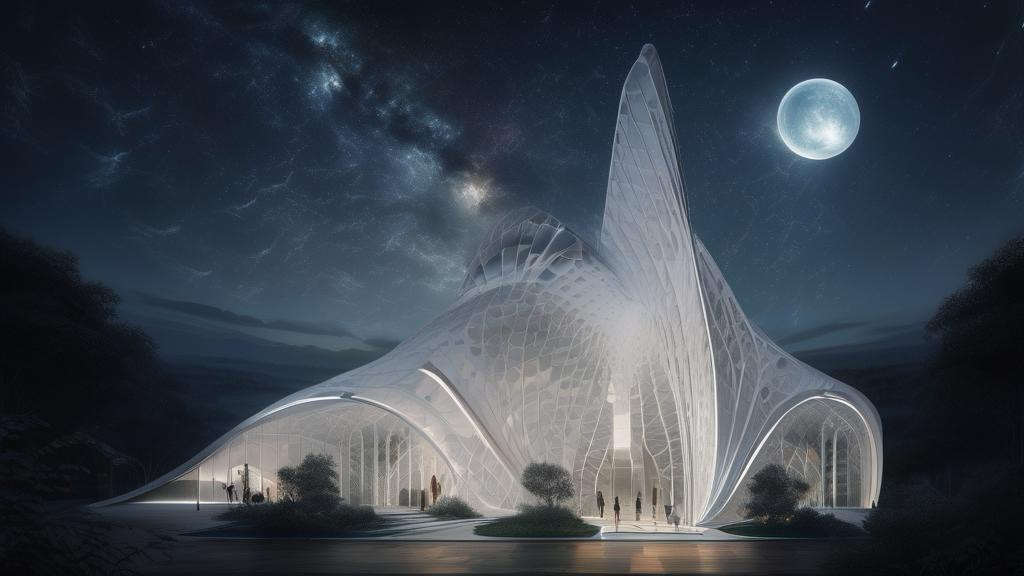
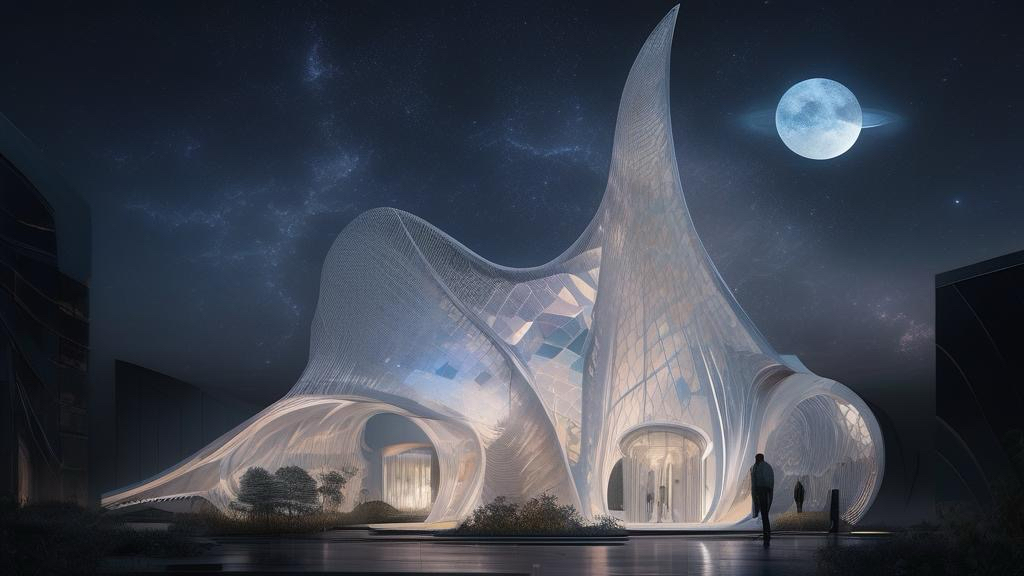
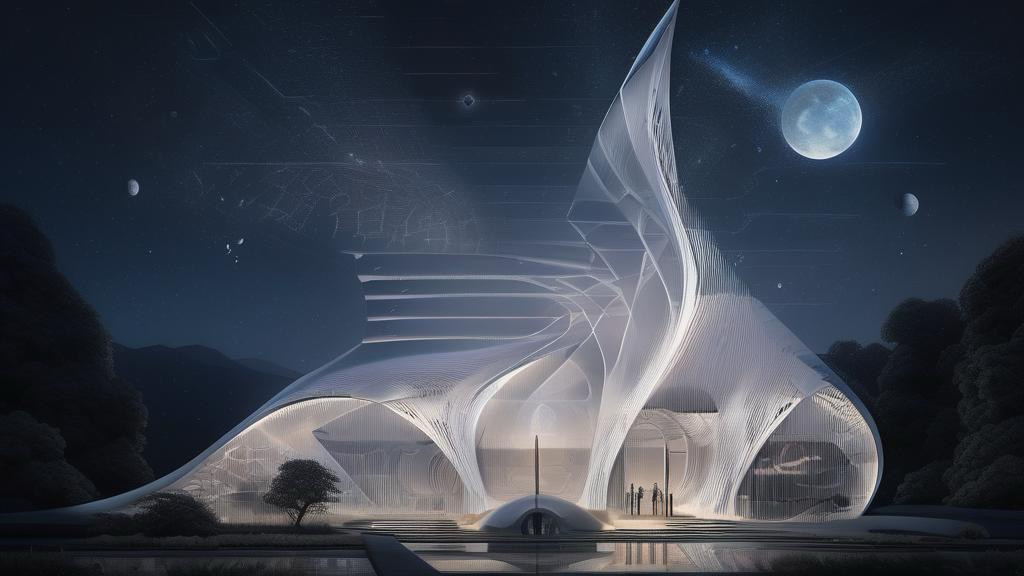
Concept Rendering

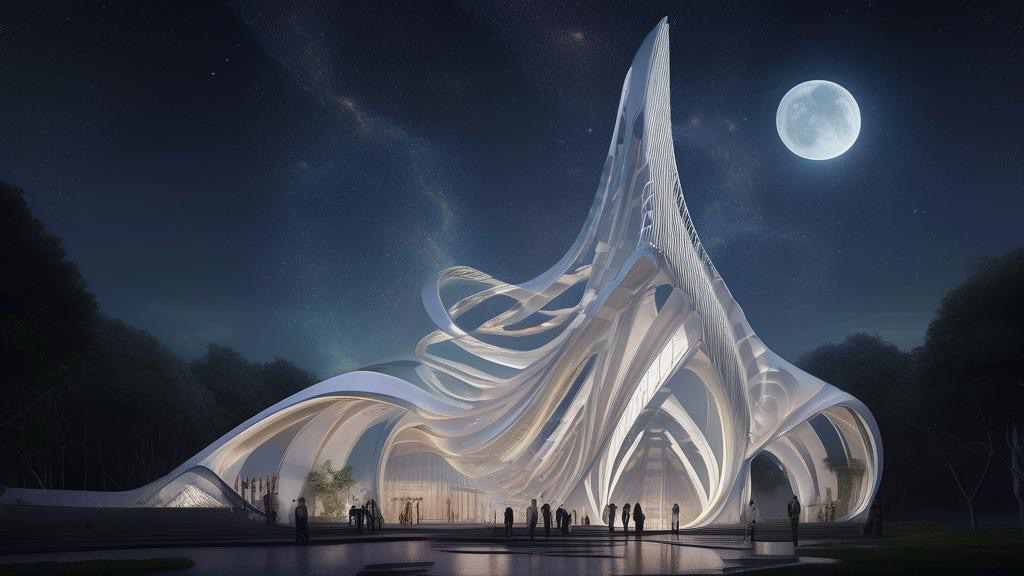
Sections
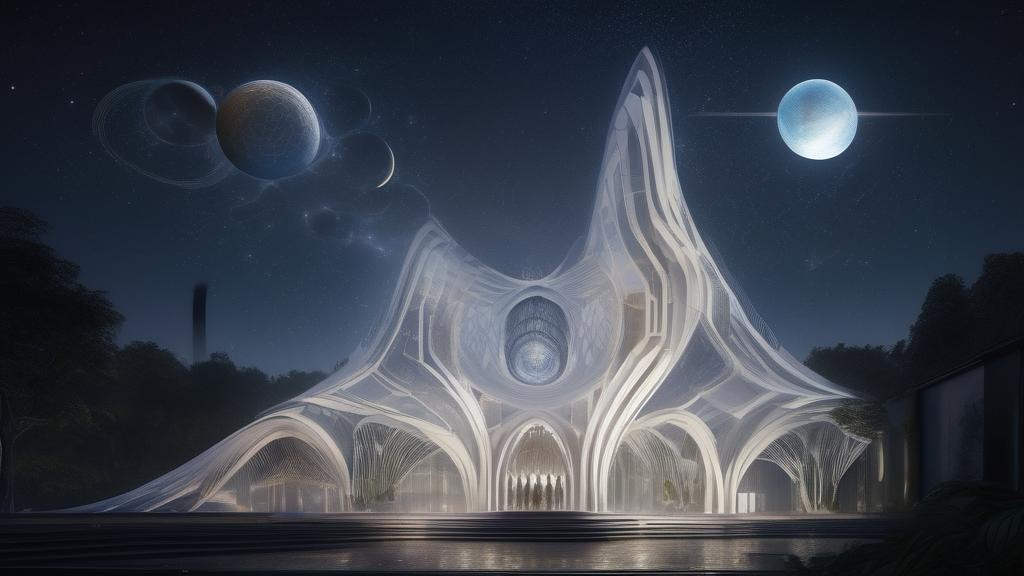
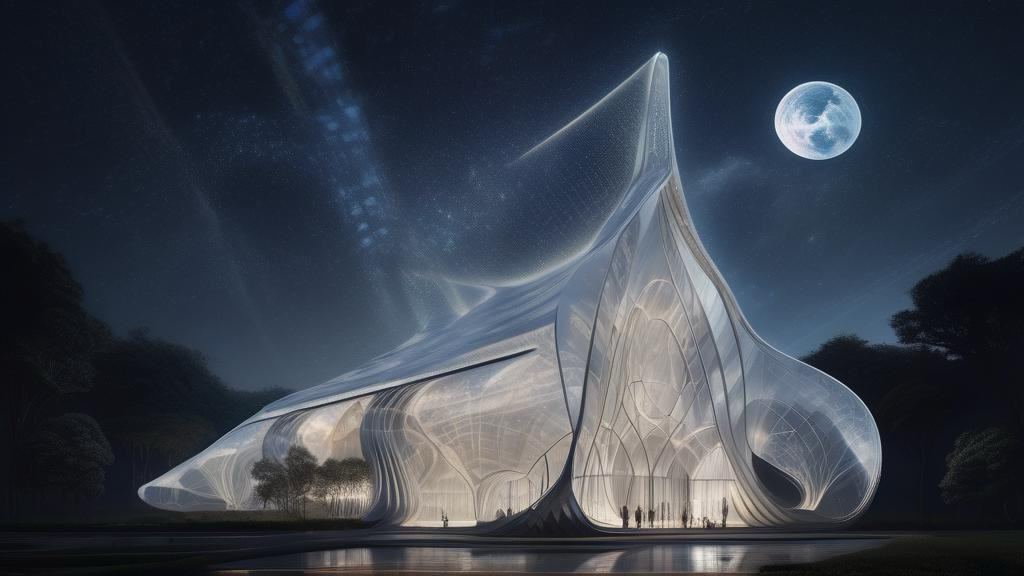
Section
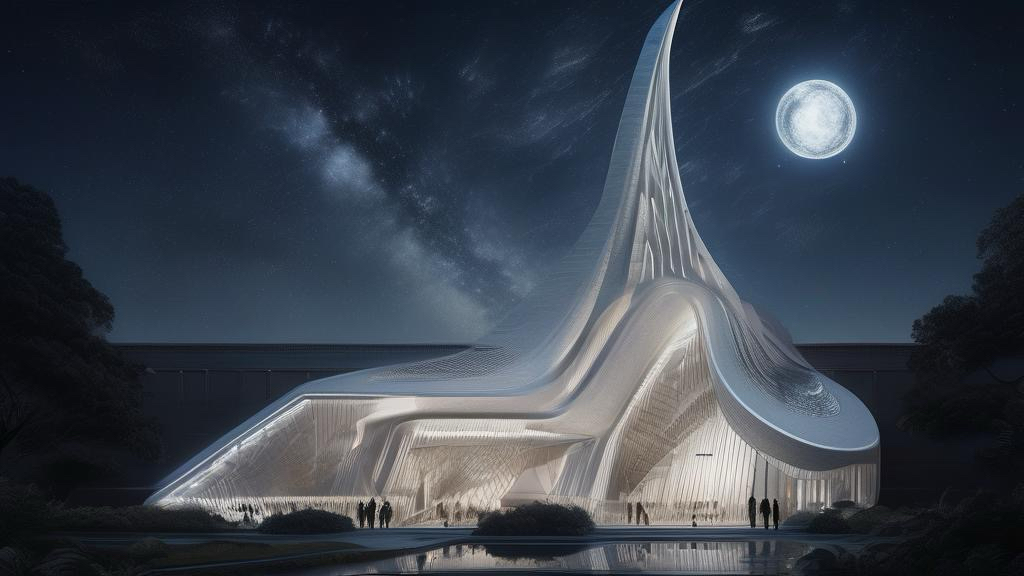
References (selection):
- Gerald Oster, “Auditory Beats in the Brain,” Scientific American, 1973.
- Robert O. Becker, “The Body Electric” (Electromagnetism and the Foundation of Life)
- Dr. Jeffrey Thompson, Center for Neuroacoustic Research
- Royal Rife, Frequency Therapy Research (1920s–1930s)
- Buckminster Fuller, Synergetics
- Iasos, “Music as a Carrier Wave of Consciousness”
Leave a Reply